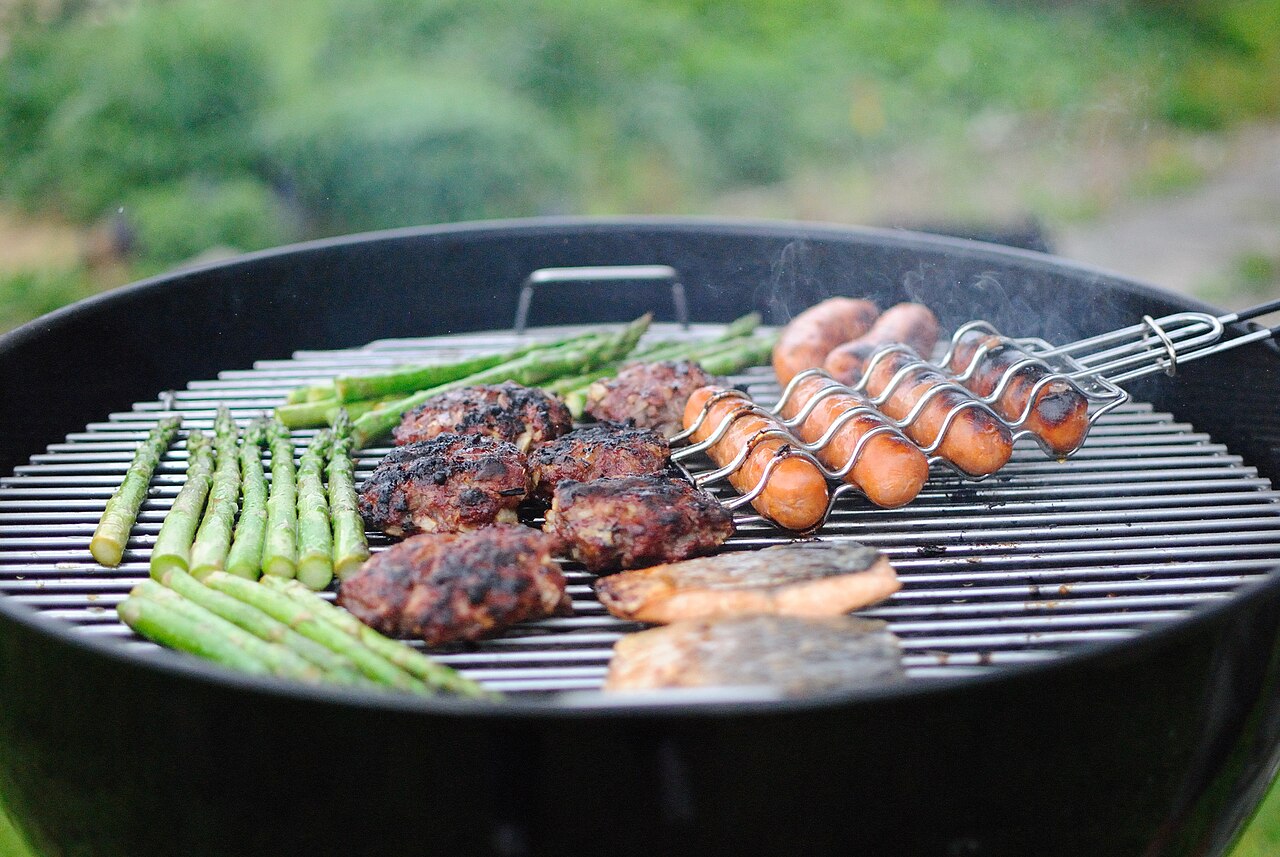
Feeding ten people burgers, chicken, pork chops, sides and dessert this Fourth of July will run you $73.82 — about $7.38 a head. That’s the price tag from the American Farm Bureau Federation’s 2026 Summer Cookout Cost Survey, released Wednesday, and it’s the highest total since the group started pricing the holiday basket in 2016 — up $2.90, or 4 percent, from last year.
Before that number ruins your appetite, two things are worth knowing. First, the increase almost exactly matches overall inflation, so the cookout isn’t getting more expensive relative to everything else. Second, the details of the receipt — what jumped, what fell, and why — read like a tour of this year’s grocery economy, and they point to some easy swaps if you’d rather come in under the index for the nation’s 250th birthday.
What’s on the receipt
Farm Bureau’s volunteer shoppers price the same spread every year: cheeseburgers, chicken breasts, pork chops, potato chips, pork and beans, strawberries, homemade potato salad, lemonade, chocolate chip cookies and ice cream, in quantities meant to feed ten.
The 2026 damage, item by item: two pounds of ground beef at $14.06, a pound of cheese at $3.60, hamburger buns at $2.53, two pounds of chicken breasts at $8.06, three pounds of pork chops at $14.79, two pints of strawberries at $5.27, potato salad fixings at $2.91, lemonade ingredients at $4.54, a 16-ounce bag of chips at $4.76, 32 ounces of pork and beans at $3.06, cookies at $4.25 and a half-gallon of ice cream at $5.99.
What got more expensive, and why
Beef is the headline. Ground beef rose 73 cents to $14.06 for two pounds — up 5.5 percent, and the highest beef price in the survey’s history. Years of drought shrank the national cattle herd, and rebuilding it takes time, so tight supplies and elevated prices are likely to stick around a while.
The biggest percentage jumps came from smaller line items. Pork and beans climbed 13.8 percent, which has less to do with pork or beans than with the can — higher aluminum costs raised packaging prices. Strawberries rose 12.4 percent after a Florida frost damaged young plants this spring. Hamburger buns gained 7.7 percent on higher production, labor and transportation costs, cookies rose 6.3 percent, ice cream 5.3 percent, and pork chops bounced back 4.7 percent after falling last year.
The egg plot twist
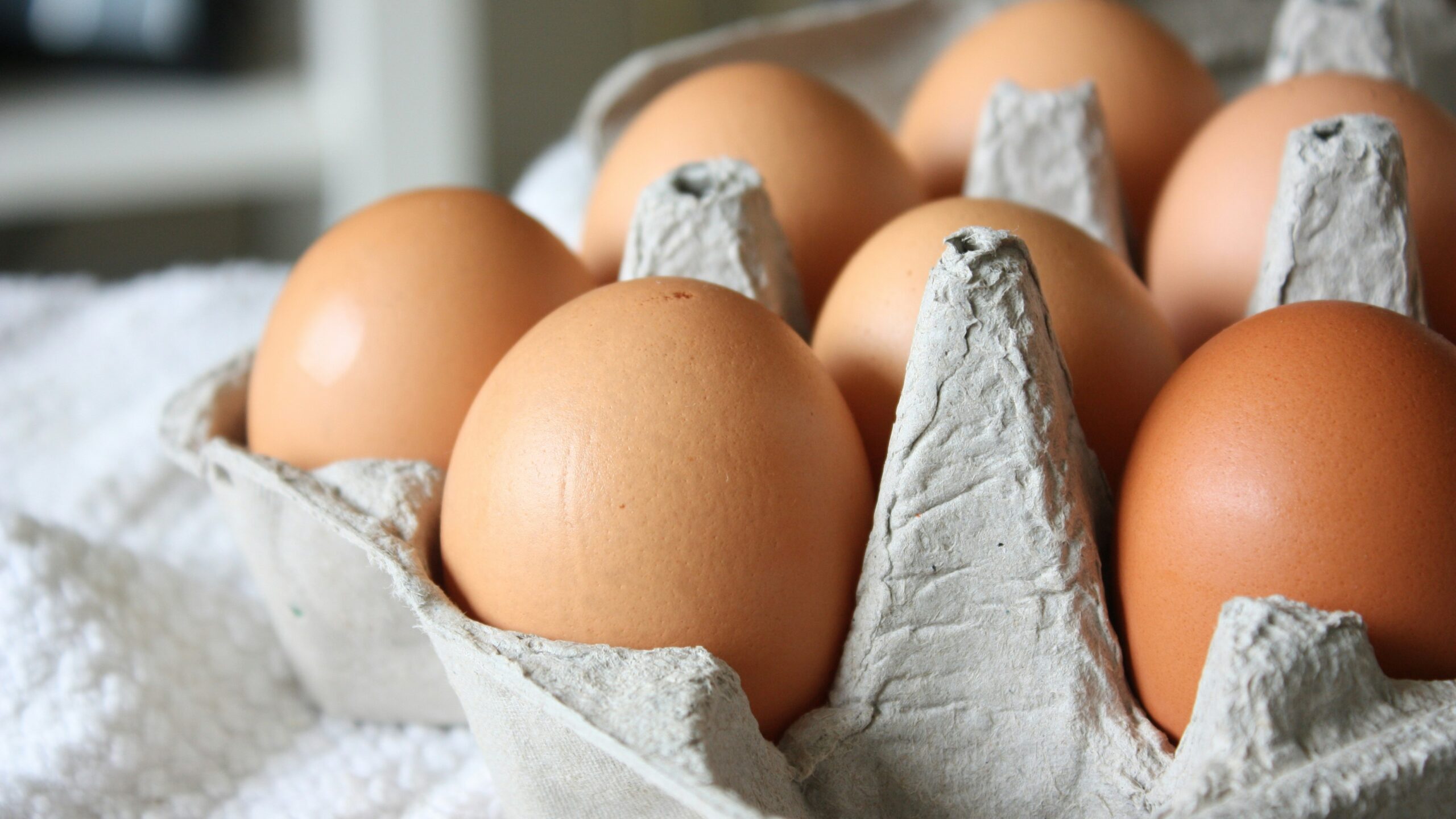
Two items actually got cheaper, and both trace to the same happy development. Potato salad fell 17.8 percent to $2.91 — the largest drop in the basket — mostly because eggs have come back to earth. The four eggs in the recipe cost 71 cents this year, down from $1.34 last year, as laying flocks recovered from the avian influenza outbreaks that sent egg prices to historic highs. Cheaper potatoes helped too, nudging the chips down 0.8 percent.
Adjusted for inflation, the cookout is flat
Here’s the perspective the sticker price hides. Overall consumer prices rose 4.2 percent over the 12 months ending in May, according to the Bureau of Labor Statistics’ Consumer Price Index — slightly more than the cookout basket’s 4 percent. Deflate the basket into 1982-84 dollars, as Farm Bureau’s economists do, and this year’s cookout costs $22.03 against $22.06 last year: essentially unchanged, and still below the inflation-adjusted peak of $23.84 set in 2022. You’re handing over more dollars at the register, but the burger isn’t claiming a bigger share of your buying power than it did last summer.
Where it costs the most
Geography moves the bill by nearly $9. The West is the priciest place to grill at $80.00 for ten — more than $6 above the national average — with the region posting the highest prices on ground beef, chicken, buns, cheese and most of the snacks and desserts. The Northeast comes in cheapest at $71.35, with the Midwest ($71.45) and South ($72.08) close behind.
Grilling under the index
The receipt itself suggests the strategy. Protein is where the money is, and the gap has rarely been this wide: two pounds of chicken breasts cost $8.06 against $14.06 for two pounds of ground beef, so shifting the mix toward chicken (or stretching burgers with a chicken option) trims the single biggest line. Lean on the year’s winners — eggs and potatoes are the cheapest they’ve been in a while, which makes deviled eggs and homemade potato salad the value plays of 2026. And skip pre-made sides where you can; the canned and packaged items carried some of the year’s steepest increases, partly for reasons (aluminum) that have nothing to do with food.
One last number for the table conversation: of every dollar you spend on that spread, less than 6 cents makes it back to the farmer or rancher who raised it, by Farm Bureau’s own accounting — the rest goes to processing, packaging, transportation and retail. The cookout index says plenty about the grocery economy. What it can’t measure is that $7.38 a person for a full holiday dinner is still one of the better deals of the summer.
This article was produced with AI assistance and reviewed by a human editor. Figures are linked to their primary sources; where a claim could not be verified from the public record, we say so.