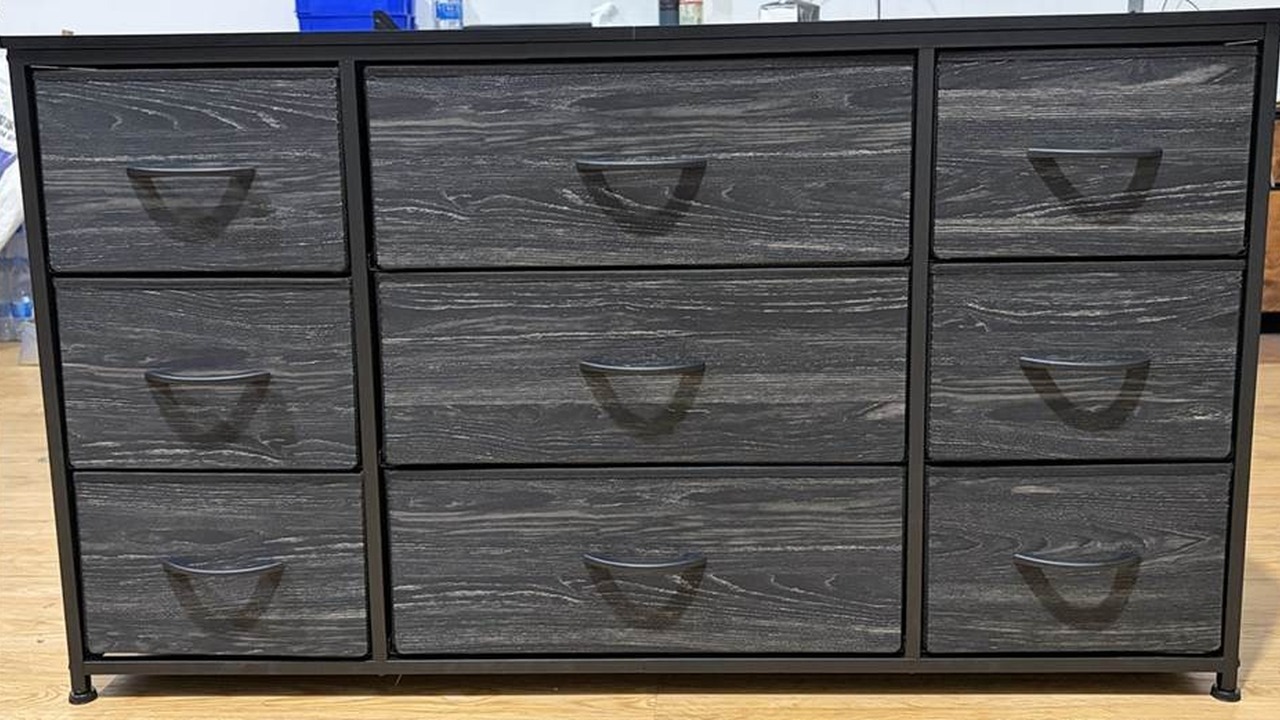
A low-cost fabric dresser can become a serious child-safety risk when it tips forward. A current federal recall covers about 10,040 Romorgniz 12-drawer units sold through Amazon and offers owners a full refund after they follow the seller’s identification and disposal process. The remedy is available, but simply putting the dresser on the curb may leave the household without the proof required for payment.
The recall covers a particular Amazon listing and purchase period
The affected product is a 12-drawer fabric dresser sold online by Romorgniz. The units were available from May 2025 through March 2026 for about $90. The federal notice says orders placed before April 1, 2026 are covered, so a similar-looking dresser from another brand or seller should not be assumed to qualify.
The Consumer Product Safety Commission’s July 23 notice lists about 10,040 units and classifies the remedy as a refund. It says the dressers are unstable when not anchored and can create tip-over and entrapment hazards capable of causing serious injury or death to children.
Free retirement updates: Household bills rarely rise in isolation. The free Retirement Shield newsletter connects the changes that matter to working families and retirees. Read it free.
Unanchored units should be moved away from children now
The immediate safety instruction comes before the refund paperwork. CPSC tells consumers to stop using an unanchored recalled dresser and place it where children cannot gain access. Emptying the drawers does not remove the tip-over hazard, and letting a child climb or pull on a drawer can shift the center of gravity quickly.
No incident or injury was reported in the federal notice, but that does not weaken the recall. The units violate the mandatory federal standard for clothing storage furniture. The point of a preventive recall is to remove the hazard before a household becomes the first injury report, not after.
Anchoring can reduce immediate movement while the owner contacts the company, but the published remedy remains disposal and a full refund. A household should not assume that adding its own bracket closes the recall or makes the unit appropriate for resale. The seller’s identification instructions determine whether the particular dresser is part of the covered population.
The refund depends on a documented disposal step
Romorgniz is directing owners to obtain identification and disposal instructions. The CPSC notice says consumers will be asked to submit a photograph demonstrating that the product was disposed of. That means the household should contact the company before destroying or discarding the dresser, then follow the requested sequence closely enough that the photo shows what the refund administrator needs.
An Amazon order record can help establish the seller, product and purchase date. Save a copy before an old order becomes difficult to locate, along with email exchanges and the disposal photo. A complete record is especially important when the remedy requires the owner to make the product unusable before receiving money.
Multiple fabric dressers can share a 12-drawer layout, so photographs should capture labels, dimensions and the overall unit before destruction. If the product came as a gift, the purchaser may need to retrieve the order confirmation. That extra step is preferable to destroying a different model and learning afterward that the refund record cannot be matched.
A recall remedy should not create a new charge
The federal notice describes a full refund, not a discounted replacement, store credit or paid repair. A seller request for a processing fee, return shipping payment or gift-card transaction would conflict with the remedy as published. Owners should use the contact information on the government page rather than a phone number or link supplied by an unsolicited social-media message.
If the company does not respond or refuses the stated remedy, consumers can use CPSC’s recall database to confirm the current notice and its complaint route. The agency’s recall pages include a remedy-problem form specifically for situations in which a firm is unresponsive. Screenshots of the request and dates of contact make that complaint more useful.
Resale is not a safe way to recover the purchase price
A recalled product should not be donated, handed down or listed on a resale marketplace. Federal law prohibits the sale of products subject to a recall undertaken with CPSC, and passing the dresser to another family transfers the danger rather than resolving it. The photo-based disposal process is designed to prevent exactly that second life.
The current federal record supports both parts of the household decision: about 10,040 Amazon-sold dressers are covered, and owners can receive a full refund after following the disposal instructions. Contacting Romorgniz before disposal preserves the payment path while moving an unanchored unit away from children addresses the more urgent risk.
This article was produced with AI assistance and reviewed by a human editor. Figures are linked to their primary sources; where a claim could not be verified from the public record, we say so.
More Financial Reading