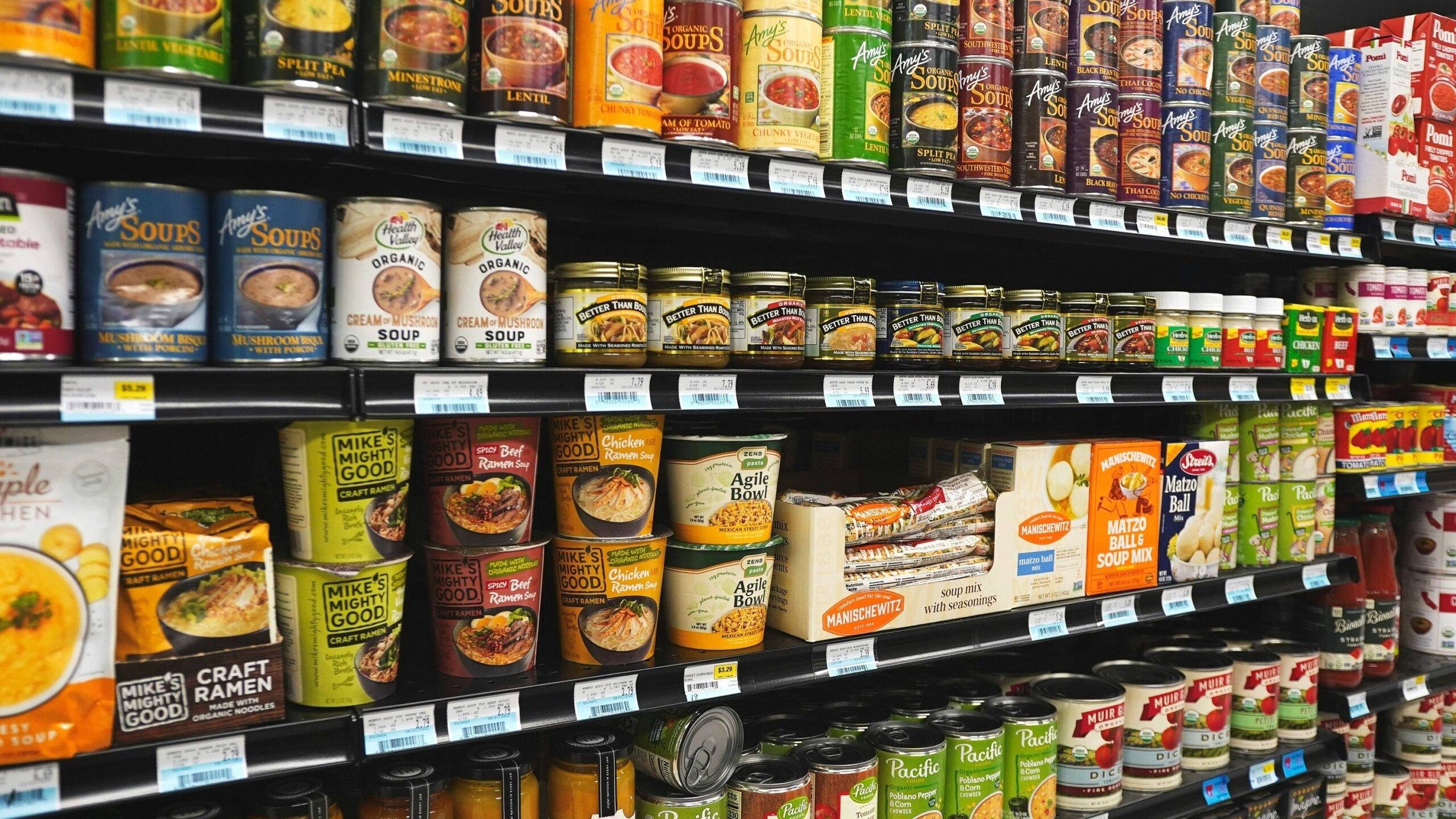
Two boxes of the same cereal sit side by side. One is $4.29 for 12 ounces. The other is $5.49 for 18 ounces. Which is the better buy? If you can’t answer instantly in the aisle, you’re the shopper that package designers are counting on, because the honest answer (about 35.8 cents an ounce versus 30.5) is printed in small type on the shelf edge, where most people never look.
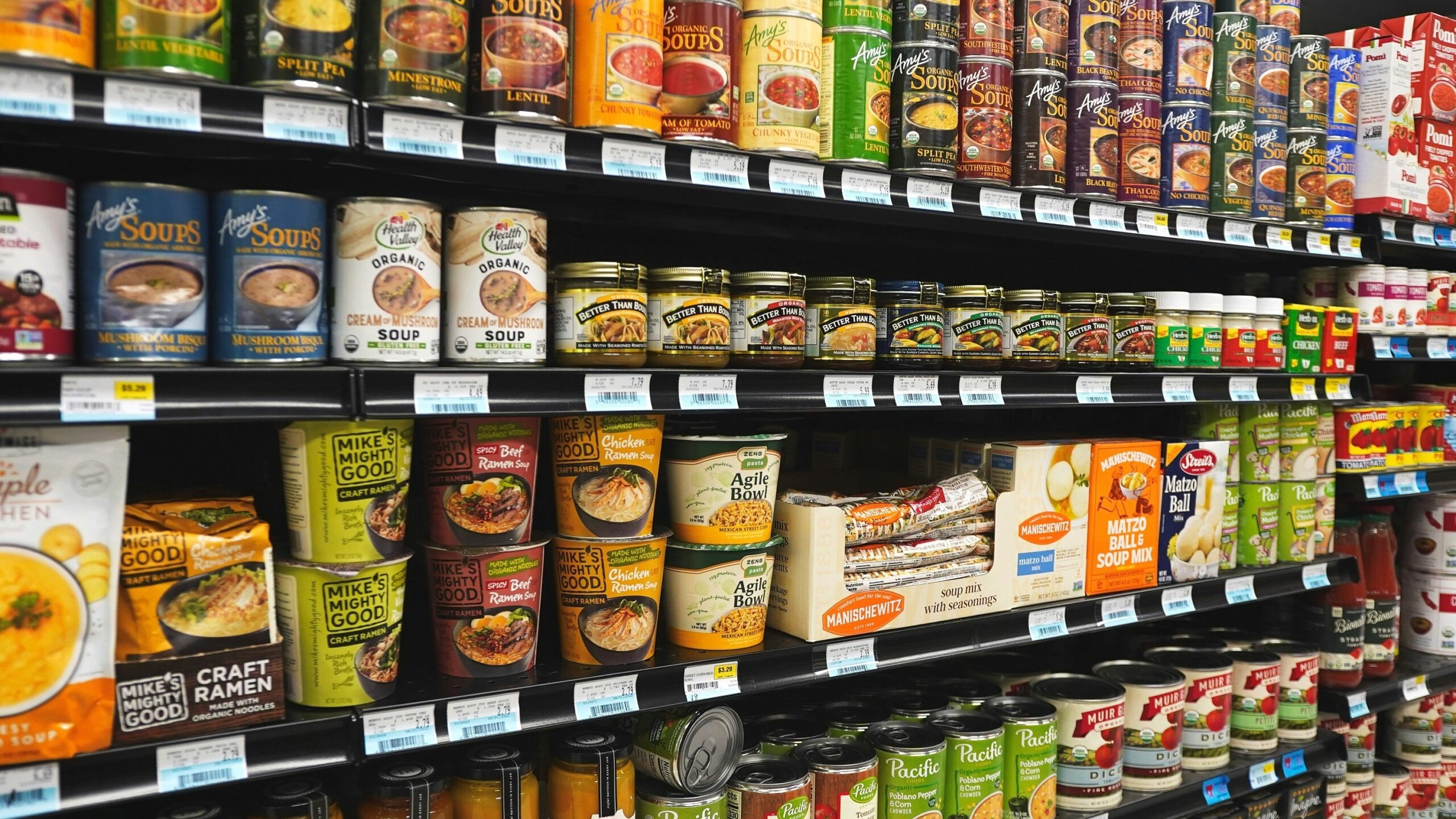
That small number is the unit price, and in 2026 it’s the single most reliable defense a grocery shopper has against shrinkflation, the practice of quietly reducing what’s inside a package while the price stays put. Here’s how the tag works, why it isn’t the same everywhere in the country, and the handful of tricks it exposes.
What the unit price actually tells you
The shelf tag under most packaged groceries carries two numbers. The big one is the retail price, what the register will charge. The small one converts that price into a standard measure: dollars per pound, cents per ounce, per quart, per 100 sheets, per load of laundry. The National Institute of Standards and Technology, the federal agency that oversees weights and measures standards, describes unit pricing plainly as a value-comparison tool that works even when package sizes change.
That last part is the whole trick. A retail price compares one box to itself. A unit price compares every box to every other box, regardless of shape, brand, or the word “value” printed on the front. When a peanut butter jar drops from 16.3 ounces to 15 with the same label and the same price, the retail price says nothing changed. The unit price registers the increase immediately, about 9 percent in that example, because you’re now paying the same money for less product.
Shrinkflation is a repackaging problem, and this is the repackaging detector
Shrinkflation is legal. Package sizes aren’t fixed by law, and manufacturers routinely redesign a bottle to look identical while holding fewer ounces. A federal review of the practice by the Government Accountability Office noted that downsizing tends to show up in exactly the categories families buy on autopilot: snacks, cereals, paper products, and household staples (GAO report on shrinking product sizes).
Autopilot is the vulnerability. Most of us buy the same 40 items week after week and stopped reading labels years ago. The unit price is the one number that keeps scoring those familiar items honestly, which is why NIST’s consumer guidance now frames unit pricing explicitly as a shrinkflation-fighting tool.
Why your store’s tags may look different from your cousin’s
Here’s the part most shoppers don’t know: there is no federal law requiring stores to display unit prices. The rules are state by state. NIST publishes a model regulation in its Handbook 130 that states can adopt, and according to NIST, nineteen states and two territories have unit-pricing laws or regulations on the books. Eleven of those jurisdictions — nine states plus Puerto Rico and the U.S. Virgin Islands — make unit pricing mandatory for retailers, while the rest have voluntary rules that standardize how tags look if a store chooses to post them.
In practice, most large supermarket chains post unit prices nationwide anyway. But the quality varies where it’s voluntary: tags can be missing on sale items, printed in tiny type, or calculated in inconsistent units. Which brings us to the tricks worth watching for.
The three tag tricks that hide the real comparison
Mismatched units. One brand of shredded cheese is priced per ounce, the neighbor per pound. You can’t compare 42 cents to $5.99 at a glance. Convert one of them (16 ounces to a pound, so 42 cents an ounce is $6.72 a pound) or use your phone’s calculator. NIST’s consumer guide, Special Publication 1181, pushes stores to use consistent units within a category precisely because mixed units defeat the purpose.
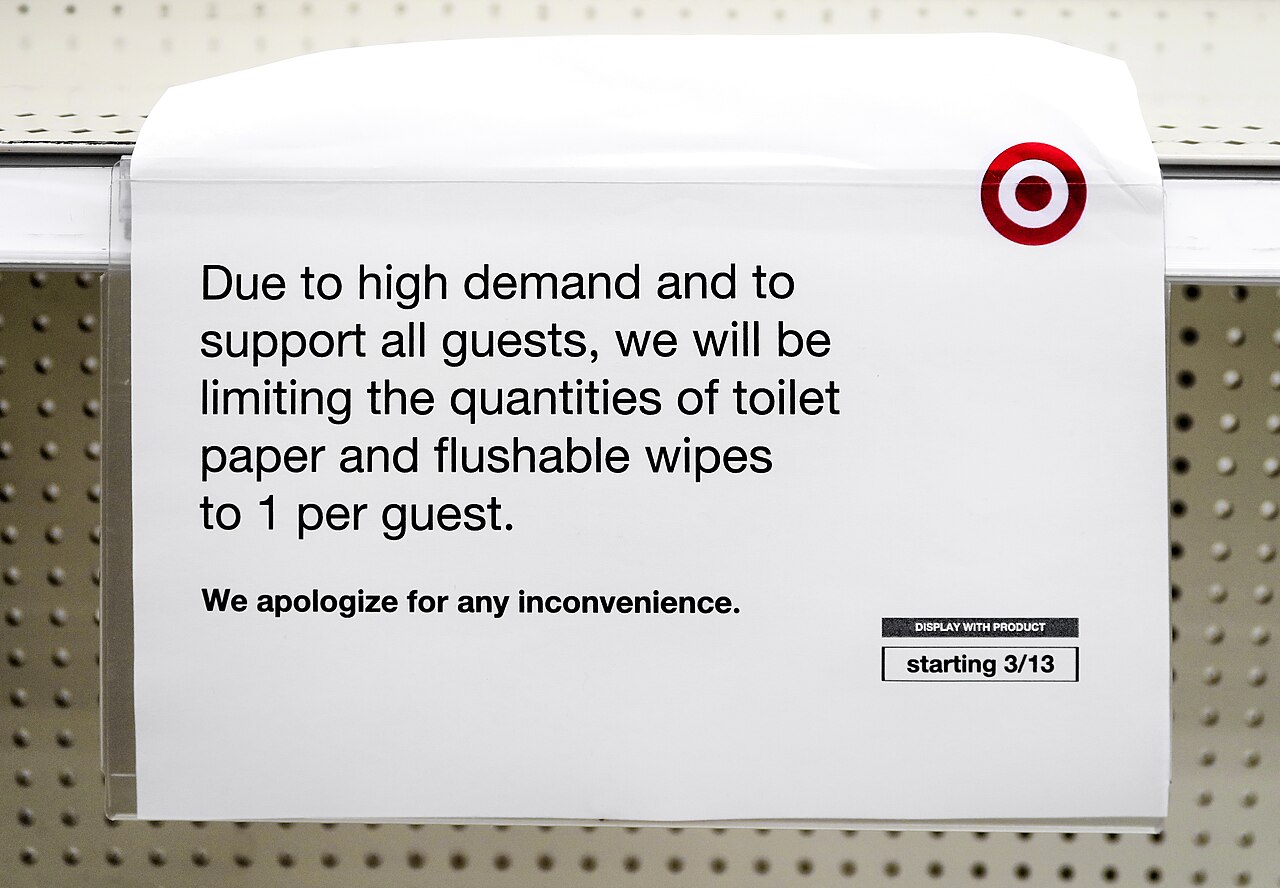
The wrong denominator. For some products, weight isn’t the value measure that matters. Laundry detergent should be compared per load, not per ounce, since concentrated formulas pack more loads into fewer ounces. Toilet paper is honest only per 100 sheets (and sheet counts per roll vary wildly, which is exactly why “mega roll” marketing works). Trash bags: per bag, not per box.
The big-package assumption. Bulk sizes are usually cheaper per unit, but not always, and stores know shoppers assume they are. It’s common to find the middle size beating the jumbo on unit price, especially during promotions. The tag settles it in two seconds; the assumption gets it wrong surprisingly often.
A 30-second habit that compounds
You don’t need to audit the whole store. Pick the ten items that dominate your bill (for most families that’s meat, cereal, coffee, cheese, paper goods, and a few snacks) and check just their unit prices for a couple of trips. Once you’ve found the honest winner in each category at your store, the work is done until a package shrinks, and now you’ll notice when it does.
Grocery inflation comes and goes with the economy. Shrinkflation is quieter and more permanent, and it never announces itself on the front of the box. The counterweight has been hanging on the shelf edge all along, in type small enough to ignore. Stop ignoring it.
This article was produced with AI assistance and reviewed by a human editor. Figures are linked to their primary sources; where a claim could not be verified from the public record, we say so.