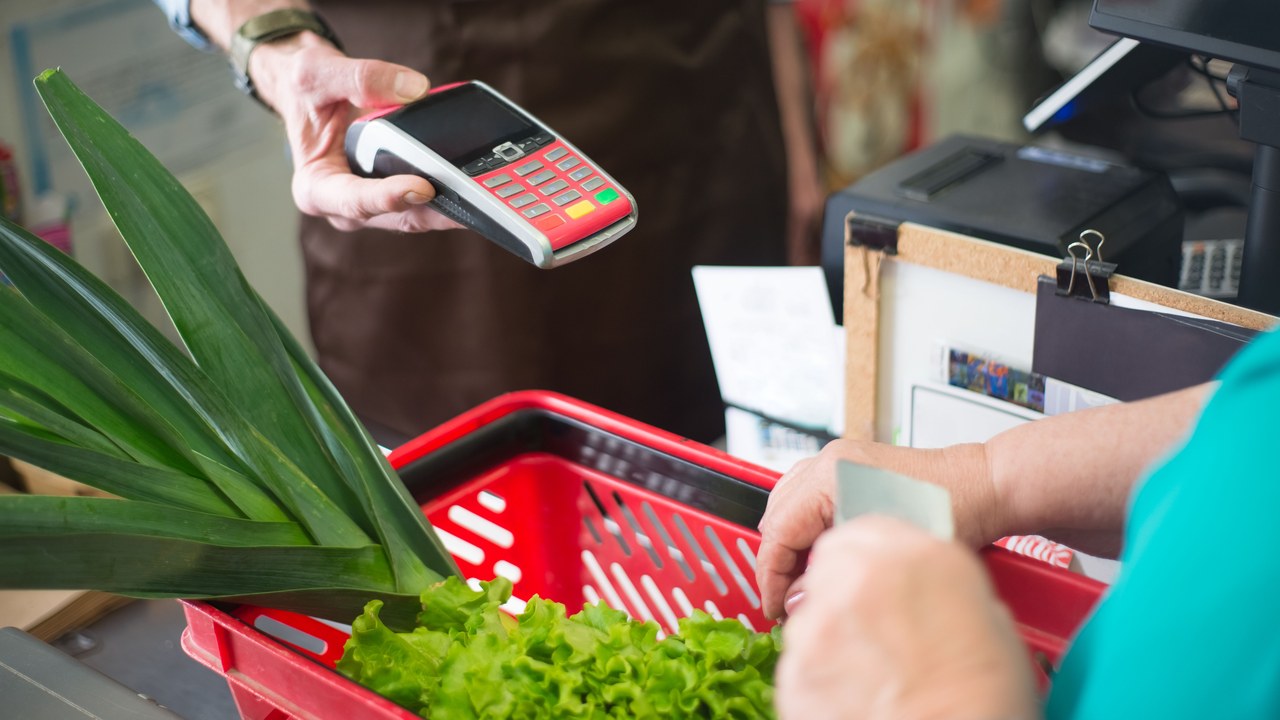
Pennsylvania’s Department of Human Services says food-stamp benefit amounts rose on October 1 and that no recipient will see a decrease. The department’s release puts the average increase for most recipients at $18. The new amounts follow the annual cost-of-living adjustment from USDA’s Food and Nutrition Service and run through September 30, 2027.
The department says SNAP, the formal name for food stamps, helps more than 1.7 million Pennsylvanians afford food. The release gives that count in people, not households, so no household total is available from the state.
Did the amount on the card change?
Every household’s amount is tied to its size, so the quickest check is the household’s row in the state’s list of maximum benefits. A one-person household can now receive up to $306 a month, and a family of four up to $1,023. What a given household actually gets depends on its income and deductions, and the maximum is the ceiling.
The adjustment is federal, so the same table sets the maximums in the 48 contiguous states and D.C., and Pennsylvania’s household-size rows match USDA’s one for one. Because the department says the changes benefit all SNAP recipients, a household that sees no change should compare its card to the row for its size and ask its county assistance office.
Retirement deadlines, in your inbox: Miss an enrollment or claim deadline and the money can be gone. Join the Retirement Money Brief and we’ll send you our SNAP Recertification & EBT Checklist as a welcome gift.
Get the Brief + the SNAP checklist →
We may earn a commission from links on this page.
The new maximum benefit, household by household
These are the maximum monthly benefits in the department’s release, which match USDA’s fiscal year 2027 table:
- One person: $306
- Two people: $562
- Three people: $808
- Four people: $1,023
- Five people: $1,217
- Six people: $1,463
- Seven people: $1,616
- Eight people: $1,841
- Nine people: $2,066
- Ten people: $2,291
Each additional member, up to a household of 17, adds $225. The release also lists the highest monthly income a household can have and still be eligible: $2,660 for one person, $3,608 for two, $4,554 for three and $5,500 for four.
The income ceilings keep climbing with household size. They are $6,448 a month for five people, $7,394 for six, $8,340 for seven and $9,288 for eight. A household of nine can have up to $10,236 and a household of ten up to $11,184, and each added member raises the ceiling by $948.
The $25 floor and the deductions behind it
The department says the minimum benefit rose from $24 to $25. USDA’s cost-of-living page applies that $25 minimum to households of one or two people.
The deductions that lower a household’s countable income are also set in USDA’s table, effective October 1. The standard deduction is $217 for households of one to three people, $229 for four, $268 for five and $308 for six or more. The maximum excess shelter deduction is $769, and the homeless shelter deduction is $205.66. USDA’s cost-of-living memo lists the standard deduction for households of one to three as an increase.
USDA’s memo also sets the asset limit for the year. It stays at $3,000 for most households and is $4,750 for a household with a member who is 60 or older or has a disability, which USDA lists as an increase. The adjustment, in other words, reaches the limits on savings as well as the monthly amounts.
What Secretary Arkoosh said
Dr. Val Arkoosh, the department’s secretary, framed the adjustment in the release as a reason for more people to apply. “SNAP is the nation’s most important anti-hunger program,” she said. “I strongly encourage anyone who may need food assistance to apply for SNAP.”
Arkoosh also pointed to the program’s reach in the state: “SNAP helps more than 1.7 million Pennsylvanians afford food for themselves and their families.” The department’s press office lists Ali Fogarty as communications director and Brandon Cwalina as press secretary.
Proof of rent and utilities, and where to check the amount
The same release reminds recipients of a rule that took effect February 9, 2026. Applicants and recipients must give the department proof of shelter costs and utility responsibility at application and at renewal, if it is not already on file. A household that does not provide it has its benefit figured without those deductions, which can lower the amount.
Accepted shelter papers include rent or mortgage receipts, leases and tax statements. Accepted utility papers include utility bills and letters from the utility company. A household that checks its new amount and finds it lower than the table suggests may be missing those papers.
The department points recipients to COMPASS, its online application and benefits site, and to the myCOMPASS PA mobile app. Customer Service Centers answer at 1-877-395-8930, or 215-560-7226 in Philadelphia, and county assistance offices are open for people who cannot use the web or phone.
The release does not give a household count, and it does not say how the $18 average breaks down by household size. For a recipient looking at the card, the open question is whether the new amount matches the row for the household’s size and deductions.
Does the new Pennsylvania amount match the card?
A higher amount lasts only as long as the case stays open. Proof of rent and utilities, a renewal that is missed or a change that goes unreported can bring the amount back down, and the notice comes after the fact.
The SNAP & Medicaid Renewal Organizer turns the money question into a dates question. Its renewal and reporting calendar keeps a Pennsylvania household’s deadlines in one place, so the new amount does not lapse at recertification.
It comes with 51 state packs, one for every state, including Pennsylvania.
Get Pennsylvania’s SNAP renewal and reporting calendar in the state pack →
More Financial Reading
- 21 Ways to Stretch a $2,087 Social Security Check
- 15 Places to Find Your Share of the $4.25 Billion States Give Back
- The New $6,000 Senior Deduction and 14 More Tax Moves for Retirees
This article was produced with AI assistance and edited for accuracy against the sources linked above.