
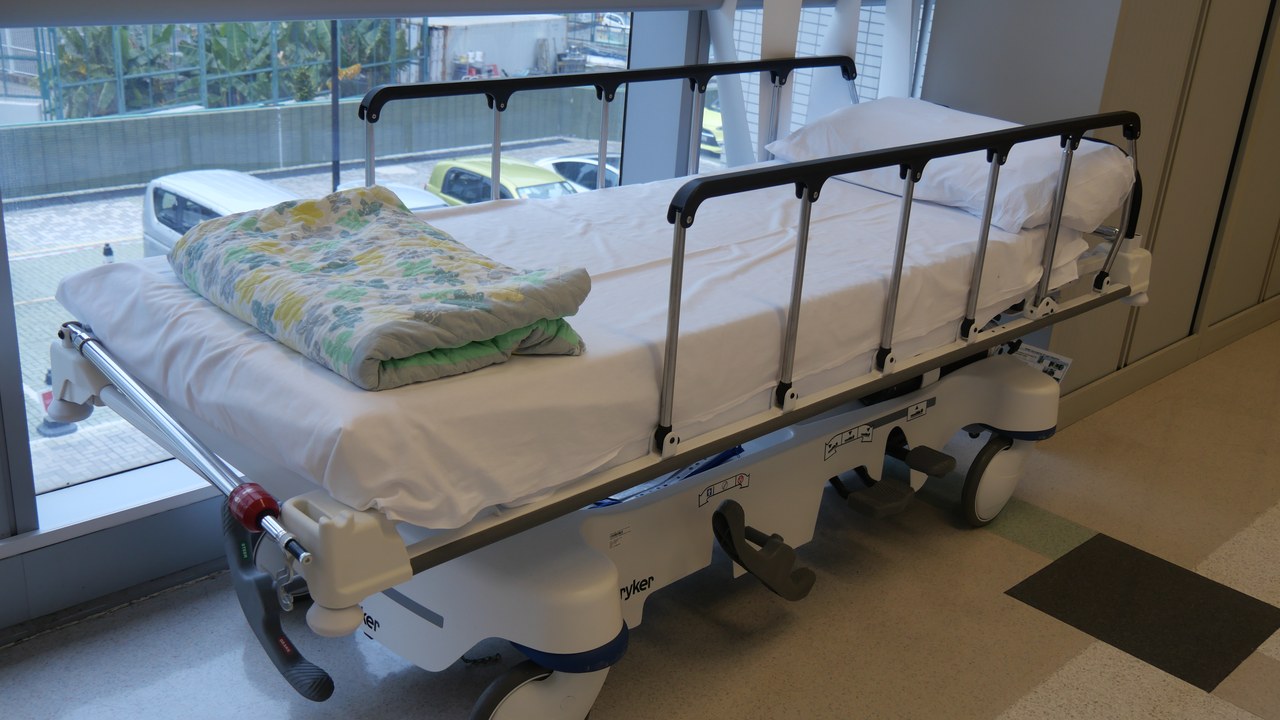
A short hospital or rehab stay does not have to cut an SSI check to almost nothing. Social Security says a person who will be in a medical institution for 90 days or less may be able to receive the regular SSI benefit. Without that exception, a long stay paid mostly by Medicaid drops the check to the facility rate of $30 a month.
The rule is spelled out on the agency’s page on SSI and living arrangements. It matters most to families who are planning a surgery, a rehab admission or a nursing home stay and wonder what happens to the monthly payment while the person is away.
When does SSI drop to $30 a month?
SSA says SSI may be reduced when a person is in a hospital or nursing home for the whole month and Medicaid pays for over one-half of the cost of care. In that case the page says “your SSI benefit is limited to $30 (plus any supplementary State payment).” The agency adds that it may lower the benefit further if the person has other income.
For a minor child, the same reduction applies where private insurance and Medicaid together pay more than half of the cost of care. The page treats public and private medical treatment facilities alike.
The reduction therefore rests on two conditions together: a full month in the facility and Medicaid covering more than half of the bill. A stay that misses either one does not trigger the $30 rate.
Will SSI stop if a mother goes into rehab for a few weeks?
For a family planning a rehab stay of a few weeks, the answer in SSA’s guidance is that the regular check may continue, but it is not automatic. The agency’s spotlight on continued benefits for the temporarily institutionalized says the stay must last 90 consecutive days or less, and the person must need the SSI payment to maintain the home or living arrangement they may return to on discharge.
Retirement deadlines, in your inbox: Miss an enrollment or claim deadline and the money can be gone. The Retirement Money Brief keeps you ahead of the ones that matter, every weekday.
Get the Retirement Money Brief →
We may earn a commission from links on this page.
SSA also needs a signed statement from the doctor saying whether the stay is expected to last less than 90 full consecutive days. The doctor can fill in a section of Form SSA-186, the Temporary Institutionalization Statement to Maintain Household and Physician Certification, or write a separate signed statement.
How is the stay reported?
SSA says the person, or someone who knows the situation, such as a representative payee, a family member or a friend, can report the stay. The report can go in on Form SSA-186 or as a written, telephone or in-person statement. Form SSA-186 combines the statement of need for the home and the physician’s certification in one document.
The timing is firm. According to the spotlight, SSA needs the statements before the discharge date or by the 90th day of the stay, whichever is earlier. The page offers help with the requirements and says SSA can work directly with a facility’s admissions office. The number is 1-800-772-1213, or 1-800-325-0778 for TTY.
What happens to the state supplement?
During a qualifying temporary stay, SSA says the person can receive the full benefit, including any State Supplementation, instead of the $30 limit. That matters in states that add their own payment to the federal SSI check.
The spotlight does not say what happens once a stay passes 90 days. The living-arrangements page says only that the $30 limit applies to a whole month in a facility where Medicaid pays more than half. In some confinement situations, the spotlight notes, a person may not be eligible for any SSI.
Do other living arrangements change the check?
They can. The same SSA page says someone else paying for a person’s shelter or utilities can reduce SSI by up to $351.33 for 2026, a rule called in-kind support and maintenance. Food no longer counts, a change effective September 30, 2024. A person living in a public shelter can receive up to the maximum SSI benefit payable in the state for up to 6 months out of any 9-month period.
A homeless person’s benefit is figured the same as for someone in their own home. SSA says an address is not required to receive SSI, and the agency will arrange payment. The agency’s main SSI page lists the other reporting and eligibility rules.
The open question for a family facing a rehab stay is timing. The doctor’s statement and the need-for-home statement have to reach SSA before the discharge date or by day 90, so the paperwork cannot wait until the person is home.
Is a rehab stay coming up for an SSI recipient?
A stay that goes unreported, or a report that reaches SSA after day 90, can leave an SSI check at the $30 facility rate for months while the rent and utilities at home keep coming due.
The SSI & Disability Action Kit covers the 2026 SSI income and resource limits, the review and reporting steps, and an income and resource organizer for keeping the numbers straight when a payment is at risk.
Get the SSI reporting checklist for a short rehab stay →
More Financial Reading
- 21 Ways to Stretch a $2,087 Social Security Check
- 15 Places to Find Your Share of the $4.25 Billion States Give Back
- 15 Steps to Stop the Scams That Took $7.7 Billion From Seniors
This article was produced with AI assistance and edited for accuracy against the sources linked above.


