
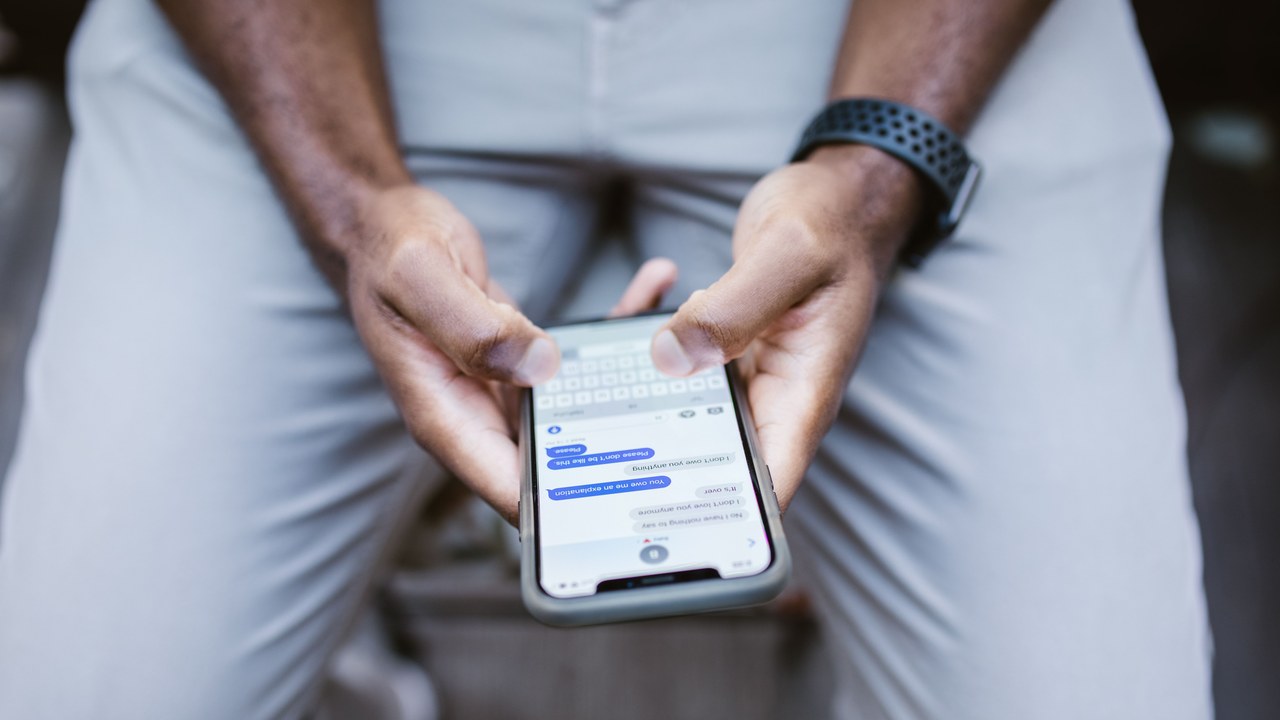
The FBI is warning that scammers are using the 2026 midterm elections to collect money through fake political action committees, or PACs. Its Internet Crime Complaint Center issued the alert on October 15, 2026.
The public service announcement, titled “Scammers Exploit 2026 U.S. Midterm Election to Perpetrate Multiple Fraud Schemes,” describes four separate pitches, ranging from fake donation appeals to texts about voter registration. The alert gives no dollar totals for losses so far. It arrives weeks before the November 2026 midterm election.
The FBI’s list of 2026 public service announcements shows three election-related alerts posted on October 15, 2026, so the fake-PAC warning is one piece of a larger set.
Fake PACs and “campaign investment pools”
In the first scheme, the FBI says scammers dupe victims into believing they are donating to a legitimate PAC. In reality the scammers have no affiliation with the committee and keep the money.
The second is a “campaign investment pool.” The FBI says scammers promise victims a guaranteed return on campaign contribution dollars. The alert’s rule of thumb is plain: campaign donations are not investments. A promised return is itself the warning sign.
Anyone who has had a text, a call or a social media message asking for a political donation, or offering a return on one, can run it through a short set of questions. Does the message promise money back? Does it push for a payment right away? Is the PAC’s name missing from the FEC’s registered list? Any yes is a reason to stop before sending a dollar.
What changed this year: Social Security and Medicare change every year, and nobody sends you a memo. The Retirement Money Brief breaks down what changed and what to do.
Get the Retirement Money Brief →
We may earn a commission from links on this page.
The FBI’s alert says AI is making these pitches more convincing. It describes highly realistic voices, images and written messages, including messages that appear to come from candidates. A familiar voice on a robocall or a polished video is no longer proof of who is asking.
Merchandise that never ships and texts about voter registration
The third scheme is old-fashioned non-delivery fraud. The FBI says some sellers of political merchandise take the payment and do not ship the order.
The fourth targets personal information instead of donations. The FBI says scammers send texts claiming the recipient is not registered to vote and send the person to a fraudulent state voter registration page. Anyone who fills in that page hands over personal information to a stranger.
The Federal Trade Commission says some text links lead to spoofed sites built to capture login details. A text about registration can be checked without tapping anything, by typing vote.gov into the browser by hand and choosing the state to find that state’s registration information.
The federal government’s own vote.gov is the place to start for a registration question. It asks visitors to select their state or territory to begin and lists checking registration status among its common questions. The FBI’s alert points to vote.gov as well.
How to check a PAC before giving
The FBI’s advice is to look a committee up with the Federal Election Commission. The FEC’s committee search lets people browse and filter registered committees, including PACs and super PACs, by name, state, type and registration date. The results list each committee’s name, ID, treasurer and type. The FEC describes the site as a place to explore federal campaign finance data and see how candidates and committees raise and spend money.
The search takes a minute on a phone, which is far less than the time it takes to chase money sent to the wrong place. It also helps with lookalikes, since a real committee will have a registration date and a type listed, while a made-up name has no record to show.
A PAC that cannot be found there, or whose name differs by a word or two from the one in the message, deserves caution. The listing also shows a treasurer for each committee. A donation made by typing a campaign’s own web address into the browser, instead of tapping a link in a text, avoids the problem of a lookalike page.
The FTC gives matching advice for any unexpected text that asks for personal or financial information. Its guidance says not to click links, to verify a message using a number or website already known to be genuine, to forward the text to 7726 (SPAM) and to report it at ReportFraud.ftc.gov.
Other election-season crimes the FBI flagged the same day
The FBI released a companion alert the same day, its warning on election crimes, titled “FBI Warns Voters on Election Crimes Ahead of the November 2026 Midterm Election.” It covers money-related election crimes such as vote buying, straw donor schemes and conduit contributions, and it says never to accept money or anything of value in exchange for voting. For those it points to tips.fbi.gov.
Taken together, the two alerts say that the safest move is to slow down. A request that arrives by text or phone, pushes for a fast payment, or offers a return can be checked against the FEC list and vote.gov before anything is sent. The open question for most readers is what to do if a payment has already gone out.
Sent money to a political group that may not be real?
The first hour after a payment goes to a scammer matters most. A donation sent to a fake PAC, or a card number typed into a fake voter page, can be followed by more attempts, because a person who responded once can be targeted again.
The Senior Fraud Defense & First-Hour Recovery Kit lays out the first-hour recovery plan, along with the free credit-freeze steps and a fraud evidence and report log. Part 3 explains what each report does, so a report to the bank, to the FTC and to the FBI each gets filed for a reason, with the details written down in one place.
More Financial Reading
- 21 Ways to Stretch a $2,087 Social Security Check
- 15 Places to Find Your Share of the $4.25 Billion States Give Back
- 17 Medicare Money Moves Now That Part D Caps at $2,400
This article was produced with AI assistance and edited for accuracy against the sources linked above.


