
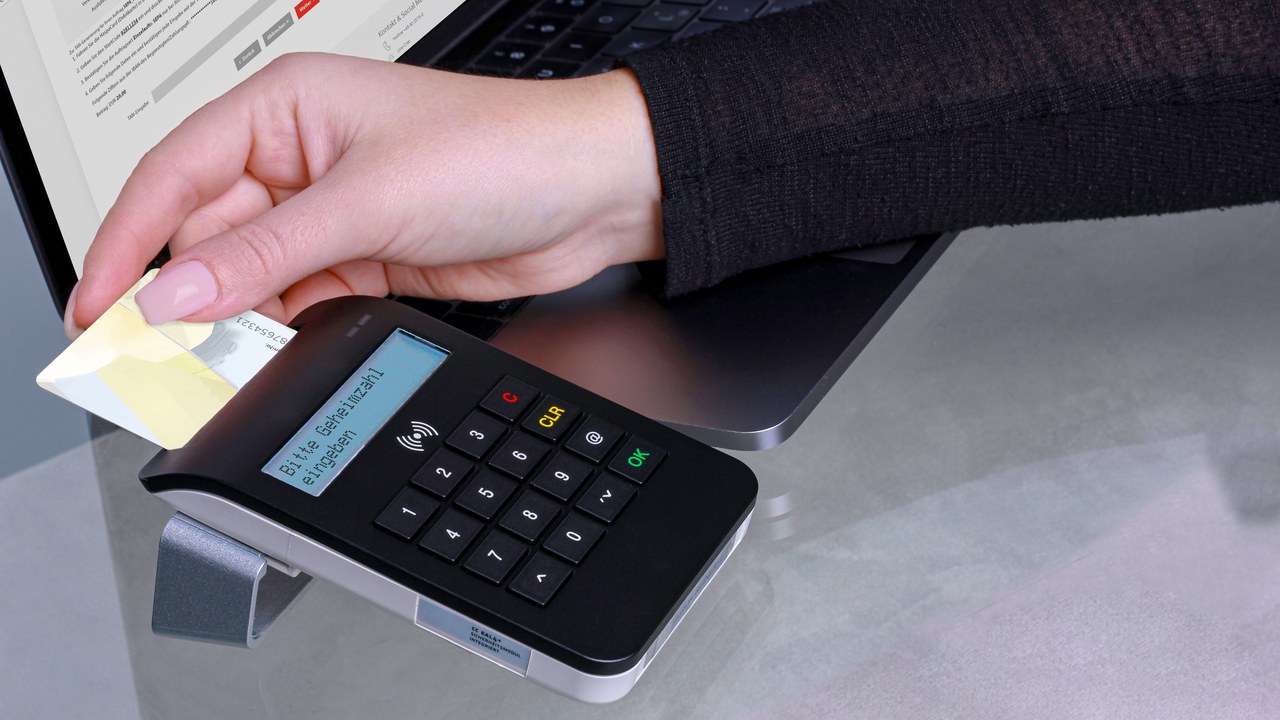
SNAP benefits that criminals steal by skimming or cloning an EBT card are no longer replaced with federal money when the theft happened after December 20, 2024. Congress let that authority lapse on that date, and the Agriculture Department’s page on stolen benefits, updated September 8, 2026, shows no extension. Households hit now cannot count on a federal replacement, even though SNAP was long known as food stamps and many people still call it that.
USDA says the Continuing Appropriations and Extensions Act, 2025 moved the end of the benefit theft period from September 30, 2024, to December 20, 2024. It also says the American Relief Act, 2025 did not extend the authority for benefits stolen beyond December 20, 2024.
What changed on December 20, 2024
Before that date, states could use federal funds to replace SNAP benefits taken by skimming, cloning and similar methods. USDA’s approvals page says states had to submit plans by February 27, 2023, and the agency approved plans from all 50 states, the District of Columbia, Guam and the Virgin Islands. It states plainly that congressional authority to replace stolen benefits expired on December 20, 2024. Those approved plans were the way states used federal funds to make households whole, so the expiry closes that route. The page does not address whether any state could pay from its own budget instead.
Anyone who buys groceries with an EBT card is affected, and people who live on a fixed income have the most to lose, since a month of stolen benefits can empty a food budget. With replacement off the table at the federal level, the practical question is protection: how to keep a card from being copied, and what to do in the first hours if it happens.
Retirement deadlines, in your inbox: Miss an enrollment or claim deadline and the money can be gone. Join the Retirement Money Brief and we’ll send you our SNAP Recertification & EBT Checklist as a welcome gift.
Get the Brief + the SNAP checklist →
We may earn a commission from links on this page.
What West Virginia told households
West Virginia’s Department of Human Services explained the change in a notice dated January 10, 2025. The department said the federal law allowed replacement only for thefts between October 1, 2022, and December 20, 2024, and that the American Relief Act, signed December 21, 2024, did not extend it.
The notice says claims for SNAP benefits stolen after December 20, 2024, will be denied. It does not say how pending claims are handled and tells residents with open claims to contact the department directly. Claims in that state can be filed at a county office or through the customer service line at 1-877-716-1212.
The department’s advice to recipients matches USDA’s. Skip PINs that are easy to guess, keep the PIN and card number private, change the PIN regularly, and check the EBT account often for charges that do not belong. A local department office is the place to go for help.
What USDA tells households to do now
USDA’s guidance centers on catching a problem early, because the date of a theft now decides whether any federal help applies at all. Households should check their EBT account regularly for unauthorized charges and change the PIN right away if any appear. Suspicious activity goes to the local SNAP office, and anyone who believes benefits were stolen by skimming should contact that office too.
The agency’s card tips are simple. Avoid simple PINs, keep the PIN and card number secret, and change the PIN at least once a month, right before the benefit issuance date. State agencies and EBT processors will never call or text to ask for a PIN or card number, so any message that does is a phishing attempt.
USDA’s fraud prevention page describes card skimming and cloning as crimes that often involve high-tech tools, and says the agency is working with states to modernize EBT technology, including rolling out chip cards.
One state’s answer: chip cards in New Jersey
New Jersey’s Department of Human Services announced on September 10, 2026 that chip cards have been distributed statewide to SNAP and WFNJ participants. The release says federal authorization and funding for states to replace electronically stolen SNAP benefits ended in December 2024.
Benefits move automatically to the new card, which must be activated within 90 days of receiving it. The state tells cardholders to insert or tap the chip instead of swiping, to destroy the old card once the new one is active, and to check balances regularly. Cards can be locked and unlocked when not in use through NJFamiliesFirst.gov or the ConnectEBT app.
The release does not say whether New Jersey will replace stolen benefits with state money. For households in other states, that is the open question: what a local office will do when a skimming claim for a later theft comes in, now that the federal door has closed.
Lost SNAP benefits to a skimmer after December 20, 2024?
With no federal replacement, every hour after a skimming matters more, because a household cannot count on getting the money back. Waiting to report, or forgetting what was reported to whom, leaves a thin paper trail for a local office to work with.
The Senior Fraud Defense & First-Hour Recovery Kit lays out the first-hour recovery plan, includes a fraud evidence and report log, and walks through the free credit-freeze steps for anyone whose card details may have reached a thief. Part 3 explains each report and what it does.
More Financial Reading
- 21 Ways to Stretch a $2,087 Social Security Check
- 15 Places to Find Your Share of the $4.25 Billion States Give Back
- 15 Steps to Stop the Scams That Took $7.7 Billion From Seniors
This article was produced with AI assistance and edited for accuracy against the sources linked above.


