
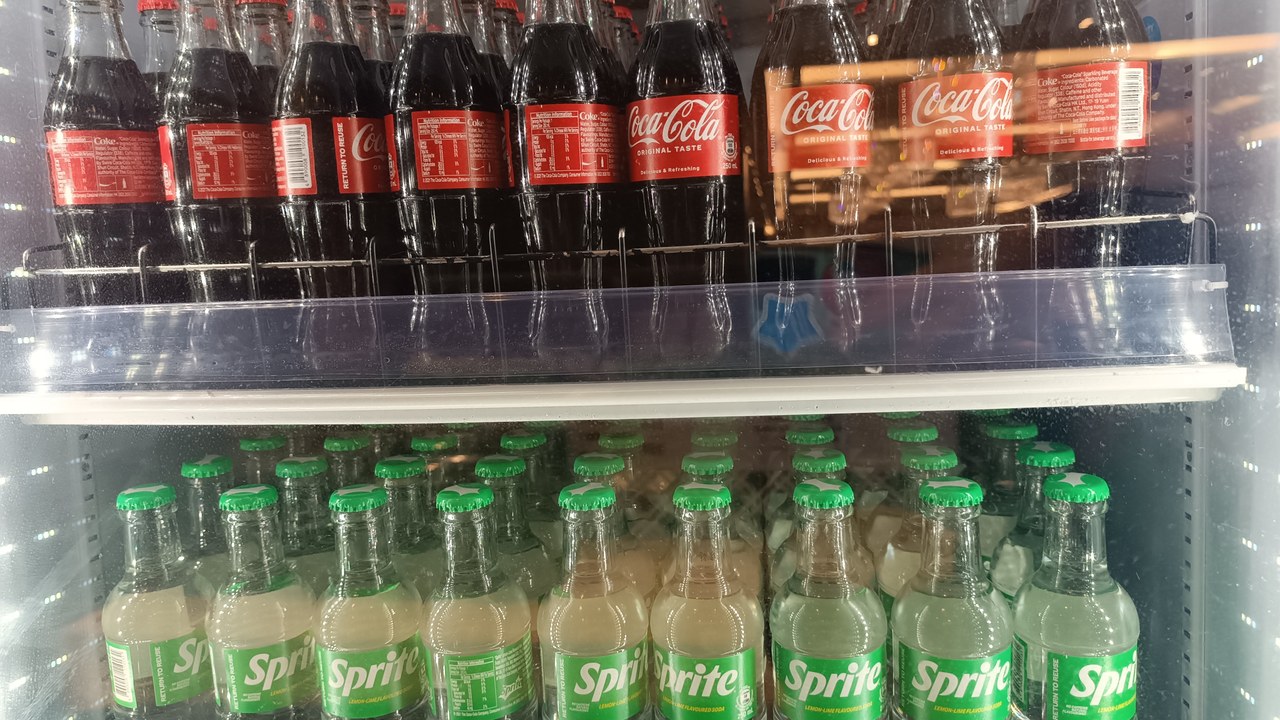
Households on SNAP in Colorado, Iowa, Tennessee and West Virginia can still use their benefits on soda and candy, because a federal court vacated the waivers USDA had approved for those four states. U.S. District Judge Amy Berman Jackson issued the ruling on June 22, 2026, and the restrictions those states wanted cannot go forward. Colorado’s was set to begin on October 30, 2026.
USDA’s food-restriction waiver table, updated October 13, 2026, carries the same note beside each of the four states. It says the court ordered the approval of the waiver vacated and that the waiver’s implementation may not proceed. Nebraska was part of the same lawsuit, and its story has moved on since.
What each state had planned to block
Colorado’s waiver would have kept SNAP from paying for soft drinks. USDA’s Colorado page says the state asked to move its start date from April 30 to October 30, 2026, and the agency approved that change on May 11. West Virginia’s waiver covered soda, and Iowa’s was the broadest, reaching all taxable food items as defined by the Iowa Department of Revenue except food-producing plants and seeds.
Tennessee’s approval was for processed foods and beverages such as soda, energy drinks and candy, effective July 31, 2026, for two years. Households on SNAP in those four states are the people directly affected, and Nebraska households sit in the same case. Their question is whether the old rules at the checkout are gone for good or only paused. The order covers the specific waivers USDA approved. It does not say a state can never ask again, and Nebraska already has.
Retirement deadlines, in your inbox: Miss an enrollment or claim deadline and the money can be gone. Join the Retirement Money Brief and we’ll send you our SNAP Recertification & EBT Checklist as a welcome gift.
Get the Brief + the SNAP checklist →
We may earn a commission from links on this page.
Why the judge threw the waivers out
The National Center for Law and Economic Justice sued Agriculture Secretary Brooke Rollins in March for five SNAP recipients in Tennessee, Colorado, Iowa, Nebraska and West Virginia, the Tennessee Lookout reported. The case is Aragon et al. v. Rollins et al., filed in federal court in Washington, D.C.
Jackson found that Rollins did not have the legal authority to approve the waivers, because the approvals sought to waive the definition of food that Congress wrote. She also found that USDA had not published notice of the pilots in the Federal Register 30 days before they began, as required for projects likely to have a significant public impact. The judge said the ruling does not decide whether the pilots are good policy.
Nebraska filed again and USDA is still working on a response
A USDA letter dated August 25, 2026, to South Carolina about that state’s own start date, signed by Acting Administrator Shiela Corley, names Colorado, Iowa, Nebraska, Tennessee and West Virginia as the five states whose waivers were vacated.
Nebraska submitted a new request on September 1, 2026. Nebraska’s page on the USDA site, updated October 2, says USDA is working on a response and lists no start date. The waiver table lists a December 1, 2026 target for Nebraska’s soda restriction, with candy added on March 1, 2027.
Nebraska’s original approval is the fifth that was vacated, and the state’s new request has to be decided on its own. That leaves Nebraska households with two USDA statements to watch, a pending request and a target date, and no final announcement to point to on the state’s own page. A start date on a table is not a start date shoppers will see at the register until USDA decides.
What shoppers may notice at the register
For Tennessee and Colorado, nothing was ever switched on at the checkout, because their start dates were July 31 and October 30. In Iowa and West Virginia, the USDA table links a retailer notice headed “Stop Waiver Implementation.” Together with the court’s order that implementation may not proceed, that points stores toward selling those items as usual.
Stores may take time to update their systems after a court order. Propel, an app for SNAP households, notes that a card declined for an item that should now be allowed may only mean the store has not finished updating. The same app says Nebraska’s ban is on hold while the state’s new proposal waits on USDA.
What the ruling leaves in place
Waivers in other states are separate approvals and were not part of this case. The USDA table lists target dates for them, including Indiana and Utah on January 1, 2026, and Idaho and Oklahoma on February 15, 2026. Those are the dates the states planned to start, and the table does not confirm each one.
Nebraska’s September 1 request shows what a state can do after a vacated waiver: apply again. Households in the other four states can follow any change on that same USDA table, which lists every state’s status and is the place the agency posts updates.
Still tracking SNAP rules in Colorado, Iowa, Tennessee or West Virginia?
The soda-and-candy question is settled for now, but it was never the date that decides whether SNAP keeps arriving. A missed renewal or reporting deadline can interrupt a household’s benefits no matter what the checkout rules say, and rules around SNAP keep changing.
The turn from the headline to the related job is plain: the kit finishes the renewal side. The SNAP & Medicaid Renewal Organizer includes 51 state packs and a renewal and reporting calendar, so each date has a place. It also explains the SNAP work-rule time limit and who is exempt.
Get the SNAP renewal and reporting calendar and the state pack for a household’s own state →
More Financial Reading
- 21 Ways to Stretch a $2,087 Social Security Check
- 15 Places to Find Your Share of the $4.25 Billion States Give Back
- 15 Ways Out of 22% Credit Card Interest
This article was produced with AI assistance and edited for accuracy against the sources linked above.


