
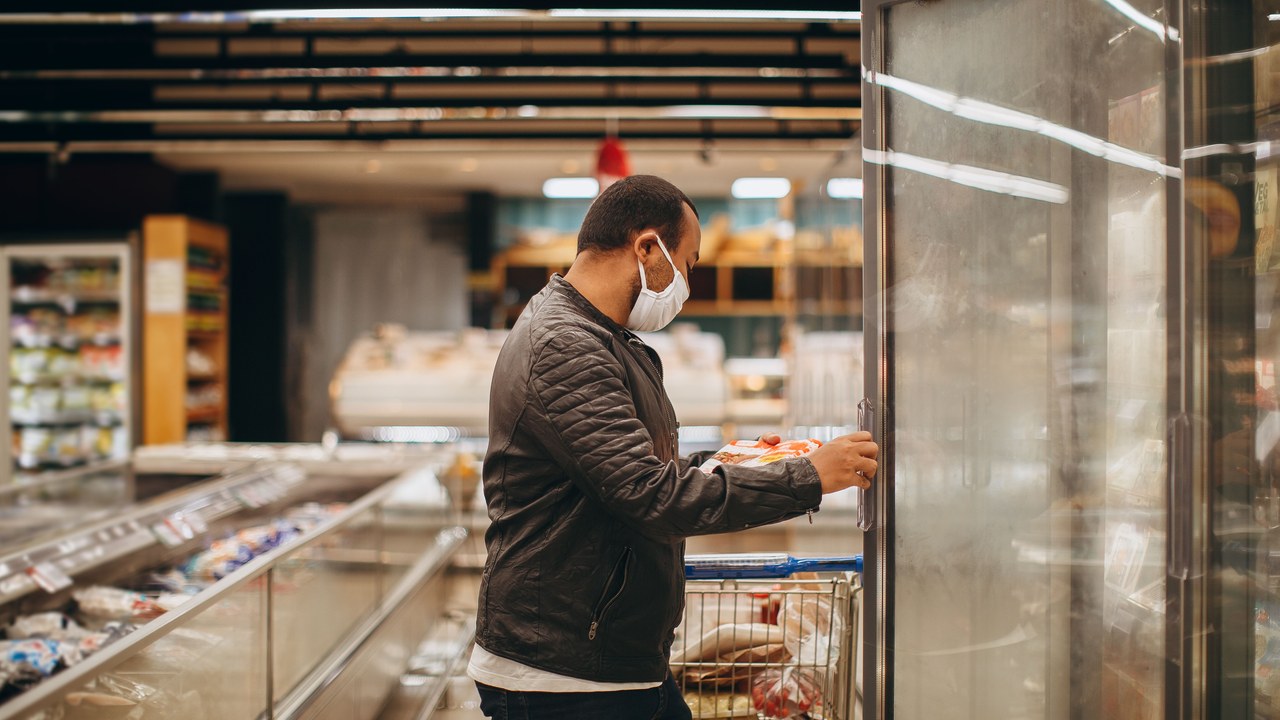
SNAP purchase limits are set to take effect on November 1, 2026 in Montana, North Dakota, South Carolina and Virginia. After that date, sugary drinks can no longer be bought with benefits in any of the four states, and some of them also close the door on candy and energy drinks.
The federal Department of Agriculture’s waiver table, last updated October 13, lists November 1, 2026 as the target start date for all four. Each state wrote its own definitions, so the list of what is off limits depends on where the shopper lives.
What each state is restricting
Montana has the longest list. Its state SNAP page says the implementation date “has been delayed to Nov. 1, 2026” and covers high-sugar beverages, energy drinks, candy and shelf-stable prepared desserts. A high-sugar beverage means more than 10 grams of sugar per 8 fluid ounces.
Anyone in these four states who shops with an EBT card should read their own state’s list before November 1, because the rules are not the same from one border to the next. Montana, North Dakota and South Carolina add candy to the list. Virginia does not.
Retirement deadlines, in your inbox: Miss an enrollment or claim deadline and the money can be gone. The Retirement Money Brief keeps you ahead of the ones that matter, every weekday.
Get the Retirement Money Brief →
We may earn a commission from links on this page.
The same Montana page leaves several things alone. Artificially sweetened drinks, drinks that are more than half juice, milk, coffee and tea are not restricted as high-sugar beverages, and store-made bakery items are not counted as prepared desserts. Energy drinks are defined as more than 6 milligrams of caffeine per fluid ounce or more than 140 milligrams per container, along with a stimulant such as taurine or guarana.
North Dakota restricts sweetened beverages, energy drinks and candy. USDA’s North Dakota waiver page shows an approval letter dated December 10, 2025, good for two years, and a definition change approved April 22, 2026. The start date on that page still reads September 1, but the main table now says November 1.
South Carolina’s list is candy, energy drinks, soft drinks and sweetened beverages. A letter from USDA’s Food and Nutrition Administration, signed by Acting Administrator Shiela Corley, asked the state to delay its project start date to November 1, 2026.
Virginia is narrower, and juice, milk, sports drinks, iced tea and lemonade stay eligible. The Virginia Department of Social Services says that starting November 1, 2026, SNAP customers can no longer buy carbonated sweetened drinks. That includes soda, diet soda, zero-sugar soda, carbonated energy drinks and carbonated drinks with 5 grams or more of added sugar per serving.
Why the start date kept moving, and what did not change
Earlier versions of the USDA table showed these states starting between August 31 and October 1. The Federal Register published notices for 18 state SNAP demonstration projects on September 15, and the dates were later pushed to November 1 for the four states covered here.
That pattern is worth keeping in mind. A date printed on a store sign, a state flyer or an older news story may not match the current table. The table is the page the other notices defer to, and it is the one that changed most recently.
The table also records a court order. On June 22, 2026, a federal court in Washington, D.C. ruled in Aragon v. Rollins that USDA’s approval of the waivers in Colorado, Iowa, Tennessee and West Virginia be vacated, and those states may not proceed. Montana, North Dakota, South Carolina and Virginia carry no court note, only a target date.
The restrictions change what a card can buy, not how much goes onto it. Virginia says plainly that “eligibility to participate in SNAP and their benefit amount are not affected by this change.” The other three states’ pages describe restricted items, not smaller benefits.
For households that buy a lot of soda or candy with benefits, the practical effect is a shift. Those items have to come out of cash instead, or come off the list. Money that used to go toward them on the card still has to be spent on eligible food.
What is coming in other states
Ohio was once on the same November 1 schedule, but the table now lists April 1, 2027 for that state. Nebraska is listed for December 1, 2026, with candy added March 1, 2027. Wyoming follows on February 1, 2027, Kansas and Missouri on February 15, 2027, Hawaii on April 1, 2027 and Nevada on February 1, 2028.
Eight other states already have restrictions with start dates that have passed, and four states are blocked by the court order. A household that moves, or that shops across a state line, can end up under different rules depending on the registered store.
The table lists restricted items state by state, which makes it the quickest place to check a specific product. Anyone unsure whether a certain drink counts should look at the definition for their state first, since a diet soda is restricted in Virginia while Montana leaves artificially sweetened drinks alone.
The rules that still apply on November 1
Purchase limits do not replace the other dates a SNAP household has to keep. Recertification, income reporting and interview deadlines run on their own calendar, and a missed one can end benefits entirely. That risk is bigger than a blocked case of soda.
The state agency that runs SNAP is still the place that sets those dates, and USDA’s waiver page is the official source for which items each state restricts. Both are free to use.
On SNAP in Montana, North Dakota, South Carolina or Virginia?
The November 1 limits catch a lot of households at the register, but the bigger loss comes from a missed renewal or an unreported change. A blocked drink costs a trip back to the shelf. A lapsed case can cost a household its benefit.
The SNAP & Medicaid Renewal Organizer turns the purchase-limit change into a calendar problem it can help with. It includes 51 state packs and a renewal and reporting calendar, so the recertification and reporting dates sit in one place, along with a renewal document checklist.
Get the state pack and renewal calendar for SNAP households in the four November 1 states →
More Financial Reading
- 21 Ways to Stretch a $2,087 Social Security Check
- 15 Places to Find Your Share of the $4.25 Billion States Give Back
- 15 Ways Out of 22% Credit Card Interest
This article was produced with AI assistance and edited for accuracy against the sources linked above.


