
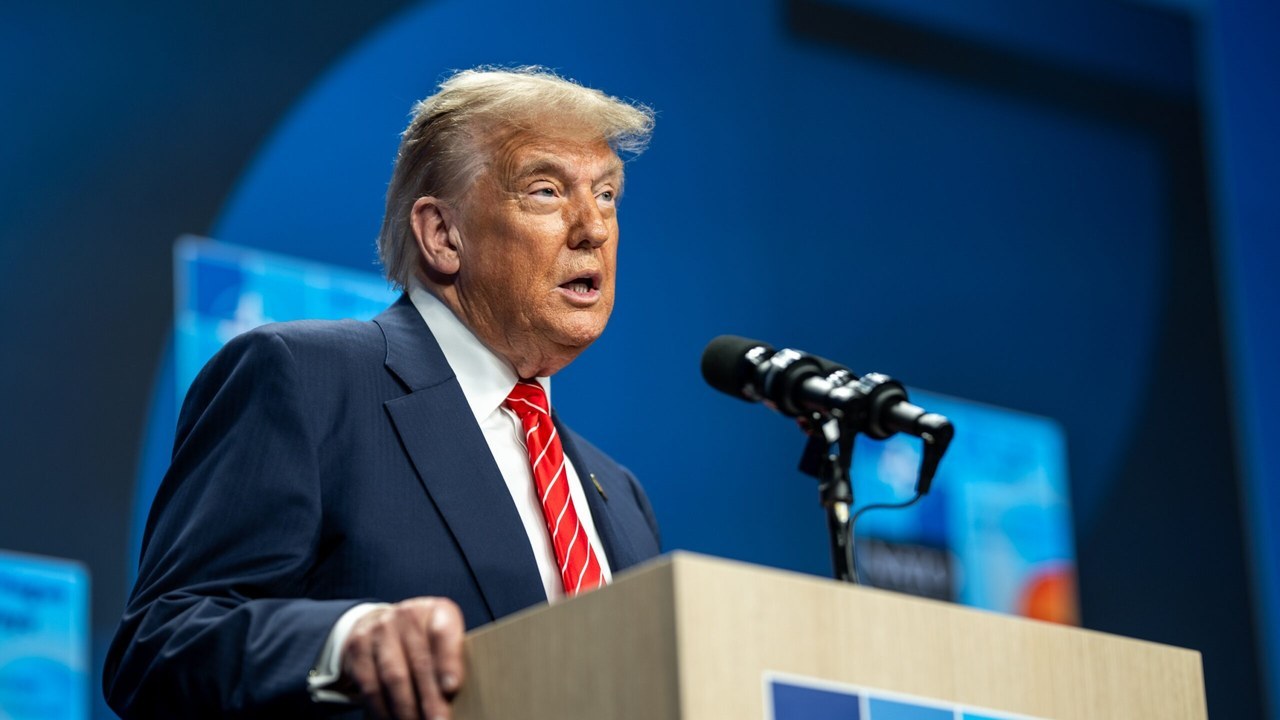
Medicare enrollees whose Part B premiums are paid by Medicaid, and those who pay the income-related surcharge on their premium, were left out of the one-time $90 payment the White House announced for early October. The administration’s fact sheet describes “one-time payments of $90 per person” meant to help more than 20 million enrollees with Part B premiums, and says people in those two groups “do not qualify.”
How the $90 was paid
According to the fact sheet, most eligible seniors received the money as a direct deposit in early October. People without direct deposit were sent a check, also in early October, at their Medicare mailing address. The administration did not name a spokesperson or quote an official in the document; it is attributed to President Donald J. Trump.
The money came from the Medicare Improvement Fund. The fact sheet says Congress set up the fund in 2008, that it holds $2 billion, and that it had never been used for payments like this before.
The two groups left out
The first group is people whose premiums are already paid by Medicaid. For them the state, not the enrollee, covers the monthly Part B bill, so there was no premium cost for the payment to offset. The second is people who pay an Income-Related Monthly Adjustment Amount, known as IRMAA, which is the higher Part B premium that Medicare charges some enrollees based on income. The fact sheet does not say how many people fall into either group.
That leaves the question many Medicare households are asking: was I supposed to get the $90? Someone who pays the standard Part B premium out of their own pocket, with no income surcharge, falls in the group the payment was aimed at, and the fact sheet says the deposit or check went out in early October. Someone whose state Medicaid program pays the premium, or whose premium carries the income-related add-on, was outside the payment under the fact sheet’s own terms. The open question for the first person is a missing deposit or check. For the second, it is whether any other help with the premium exists.
For anyone left out, the Part B premium is still $202.90 a month in 2026, with no $90 to offset it. The Medicare Cost & Coverage Protection Kit includes 51 state Medicare cost-help packs that point a limited-income enrollee toward the premium-assistance programs a state runs.
Open the state cost-help pack for the Part B premium →
What the payment covers, in dollars
Medicare.gov lists the standard Part B premium at $202.90 a month in 2026, “or higher depending on your income,” along with a $283 yearly deductible. The $90 payment is less than half of one month’s standard premium, and it is a single payment, not a monthly credit. The fact sheet does not say whether the administration plans another round.
The Medicare costs page also says that enrollees with limited income and resources may be able to get help from their state to pay premiums and other costs, and it mentions Extra Help for Part D drug costs. Those programs are separate from the $90 and are not tied to the Medicare Improvement Fund.
A missing check is a mailing-address question
The fact sheet says the checks went to each person’s Medicare mailing address. An eligible enrollee who has seen neither a deposit nor a check can start by confirming the address Medicare has on file. People who pay IRMAA or whose premiums Medicaid covers should not expect a payment at all.
Open enrollment is the next premium decision
The next Medicare date on the calendar is the annual enrollment period. Medicare.gov says it runs October 15 to December 7, and that a request to join or change a plan has to reach the plan by December 7. Drug coverage costs are changing too: Medicare.gov lists a 2027 out-of-pocket cap of $2,400 for Part D and a maximum 2027 deductible of $700.
Checking whether your state covers part of the premium
The free place to start is Medicare’s own costs page, which explains the Part B premium and points to state help for people with limited income and resources. The page names Extra Help for Part D drug costs as a second source of help.
Before making a call, pull out the latest notice that shows what is being taken for the Part B premium each month, and write down household income and savings. Those are the figures a state office will ask about. Anyone who already has Medicaid paying the premium can confirm that on the same notice, since that is the situation the $90 payment excluded.
The dollar figures in this story come from two places: the White House fact sheet, which sets the payment at $90 per person, and Medicare.gov, which lists the 2026 standard Part B premium at $202.90 a month.
A $202.90 premium, and no $90 to offset it
Someone left out of the $90 payment still carries the full Part B premium of $202.90 a month in 2026. The Medicare Cost & Coverage Protection Kit covers the new Part D out-of-pocket cap, and its 51 state Medicare cost-help packs are built for finding the premium-assistance programs a limited-income enrollee can apply for in their own state.
Find the Part B premium help in your state’s Medicare pack →
This article was produced with AI assistance and edited for accuracy against the sources linked above.


