
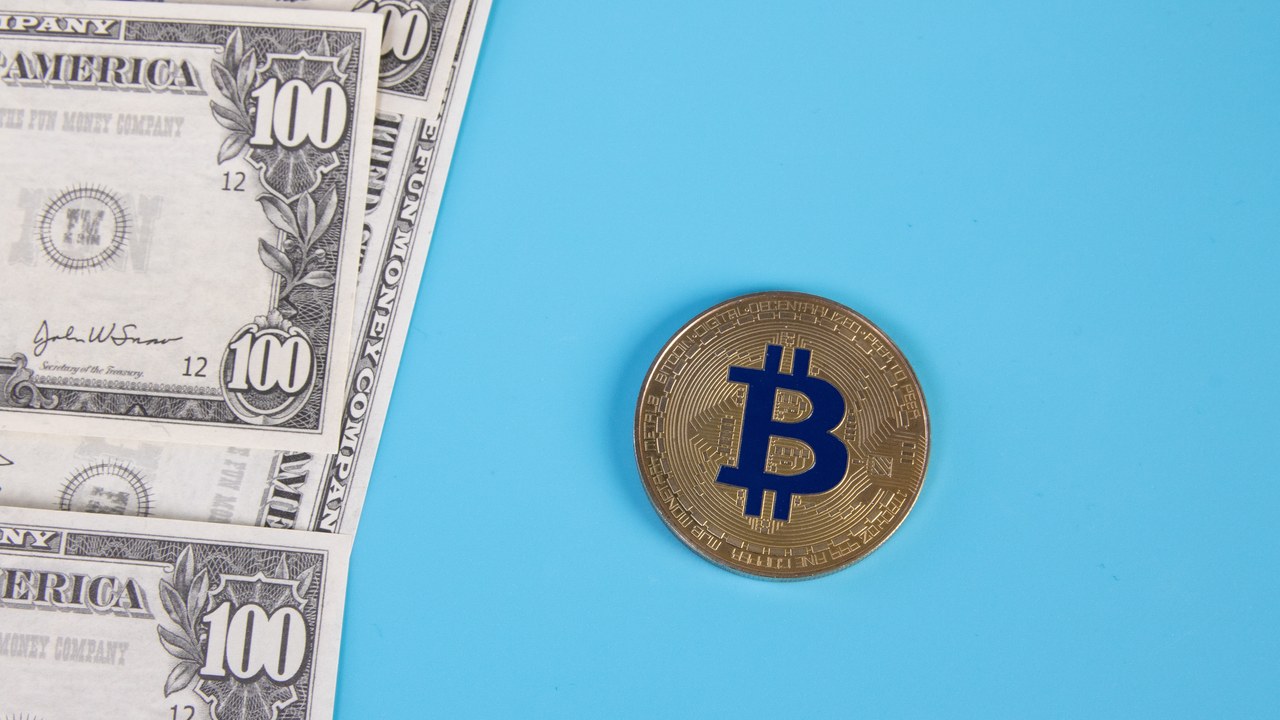
A single victim moved about $16 million in cryptocurrency to a trading platform that did not exist as described, federal prosecutors in Missouri say, in what they call a pig-butchering scam. The money went to a site called Triangle between June and August 2024, and the U.S. Attorney’s Office for the Western District of Missouri says part of it landed in a wallet tied to Trung Nguyen Van, a 37-year-old Vietnamese national. The Sept. 25 announcement says Van is charged with money laundering, and the charges are allegations that the government still has to prove.
Affiliate links — we may earn a commission.
How these scams start
The office calls the case a “pig butchering” scam, a name for fraud in which a stranger builds a relationship first and asks for money later. In its description, victims are contacted through online dating or unsolicited messages and build what feels like a romantic relationship. They are then persuaded to put money into a fake cryptocurrency platform, which shows early gains to keep them going and pushes for bigger deposits. When a victim tries to take money out, the funds cannot be withdrawn.
The Federal Trade Commission lists nearly the same pattern in its guidance on romance scams: contact that starts on a dating app or social media and quickly moves to texts or calls, then a request for money in a hard-to-trace form such as cryptocurrency. Names, numbers and email addresses are also on people-search sites, and Incogni sends removal requests to those brokers for you, so fewer strangers can look up a household’s contact details. The charging papers do not say how this victim was found.
What prosecutors say Van did
The complaint says that on Aug. 9, 2024, Van’s wallet received about $569,569 from the victim, and that he moved about $567,999 of it to a private wallet not held at an exchange. Prosecutors say the $16 million is what that one person sent in total. They do not say how much of it reached Van.
The office also says Van’s wallets received about $53.3 million between Feb. 9, 2018, and Dec. 17, 2024, from wire fraud schemes aimed at people in the United States, and that he sent roughly $53.2 million on to other accounts. Other U.S. victims have reported combined losses in the millions that were traced to his wallet. Those figures describe what flowed through the wallets, not what Van kept.
Where the case stands
The two-count criminal complaint was unsealed after Van’s first appearance in federal court in Los Angeles on Sept. 24, 2026. The release does not say whether he is being held, whether he has entered a plea, or when the case goes to trial. It carries the standard note that a charge is not evidence of guilt and that the government must prove it to a jury.
U.S. Attorney R. Matthew Price said in the release: “Fraudsters should know that we will use every available resource to pursue those who target innocent victims.” The FBI’s Kansas City field office investigated, and Special Agent in Charge Chris Ormerod said the bureau “uncovered and disrupted this alleged scheme.” Assistant U.S. Attorneys Jeffrey Q. McCarther and James Kirkpatrick are handling the case.
What the $16 million shows
A loss of that size from one person stands out even among the figures prosecutors cite for these cases. It also shows how the scam is built: the fake platform is the end of a long process, and the victim in this complaint made transfers over about three months. Early on, the platform shows gains. Later, it blocks withdrawals.
The Justice Department’s account is the only description of this case. It does not name the victim, give an age or say whether any of the money has been recovered.
Checking a trading platform before sending crypto
The FTC’s romance scam page names the warning signs that match this case. Someone met online asks to help start investing in cryptocurrency. The person is unable to meet in person, pushes urgency, and asks for payment by wire, gift card, app or crypto. The commission says a request to pay or transfer cryptocurrency is a major red flag because scammers use it to make money hard to recover. Its steps for a suspected scam are to stop communicating, talk to a trusted friend or family member, and search the person’s job plus the word “scammer.”
Anyone who has already sent money should contact the exchange or crypto ATM operator at once, say the transaction was fraudulent and ask for a reversal. The FTC’s scam recovery steps warn that crypto has fewer protections than cards, so recovery can be hard. Reports go to ReportFraud.ftc.gov and to the FBI’s Internet Crime Complaint Center, which collects complaints about cyber-enabled crime and shares them with FBI field offices and other agencies.
IC3 says it cannot work with law firms or crypto services to recover funds, so a company that claims to be recovering stolen crypto in partnership with IC3 is not doing so through the agency. Keeping screenshots, wallet addresses, transaction records and the site’s web address makes a report more useful.
Strangers who start with a text or a dating message
The release says victims in these schemes are reached through online dating or unsolicited messages, and that a $16 million loss began that way for at least one person. Incogni asks data brokers and people-search sites to remove personal information, sends removal requests on a person’s behalf and keeps re-sending them. Less personal data on broker lists can mean fewer scam calls, texts and emails, and each request’s status shows in the account.
Get personal details off broker lists that scammers buy from with Incogni →
This article was produced with AI assistance and edited for accuracy against the sources linked above.


