
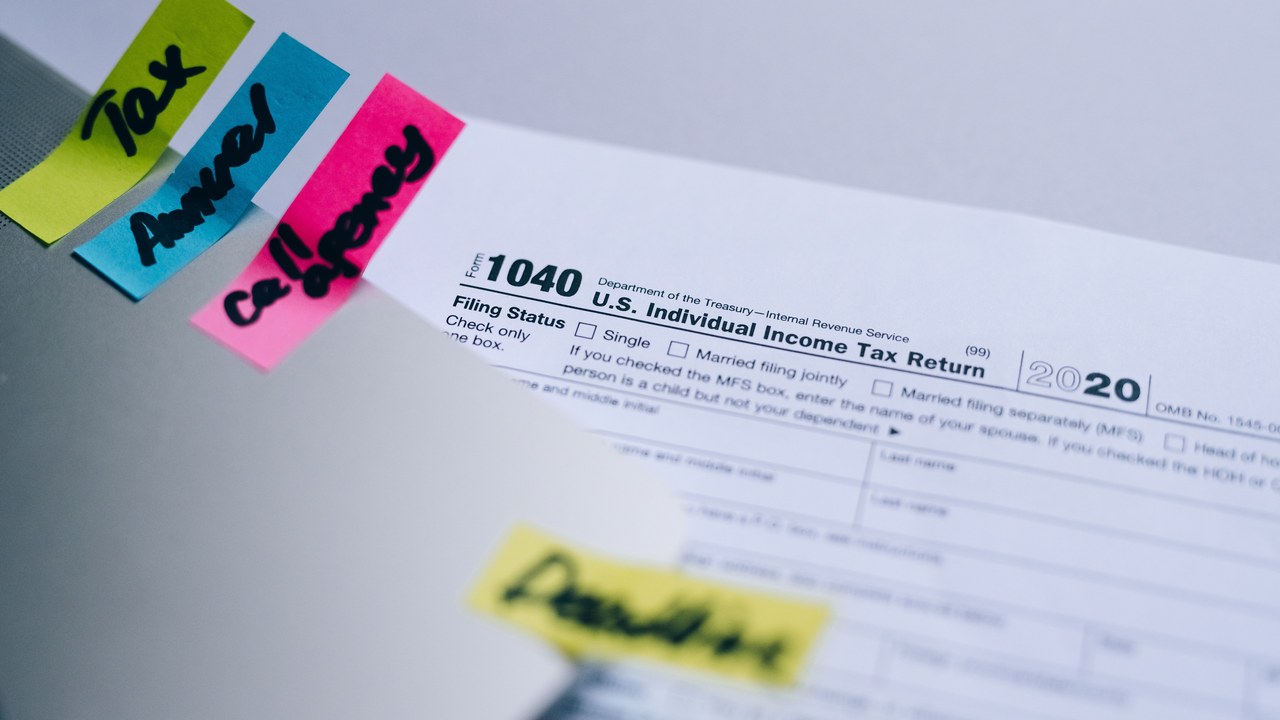
About 47 million taxpayers who would be eligible for the new federal Saver’s Match are not putting money into a retirement account, the Treasury Department and the IRS told Congress. The number comes from a Sept. 28, 2026 report required by the SECURE 2.0 retirement law. The match starts with contributions made in 2027.
What the IRS counted
The report says an analysis by the IRS research office found a large gap between people who could get the Saver’s Match and people who are saving. It puts the group at approximately 47 million taxpayers who would be eligible and are not contributing to an IRA or an employer-sponsored plan. The IRS says it will use that data to find this population for outreach.
The report expects many of them to lack a retirement plan at work. It names independent contractors, self-employed people, part-time, seasonal and gig workers, and employees of small businesses without a plan. It gives no savings rates or other statistics beyond the 47 million.
For someone with a modest income who is not saving, the question is whether the match reaches them and what account it would go into. The income limits and the other basics are set out below, and anyone without a workplace plan or an IRA would need to open one first.
The match starts with 2027 contributions, and the executive order behind the outreach campaign sets Jan. 1, 2027 for TrumpIRA.gov.
Get the next update the morning it lands →
How the match works
The Saver’s Match is a government deposit on top of a person’s own retirement contribution. The report says it equals a percentage, up to 50 percent, of up to $2,000 of qualified contributions. That makes the most anyone can receive $1,000 a year. It applies to tax years beginning after Dec. 31, 2026.
The match is generally paid straight into the person’s retirement account rather than sent as a refund. The IRS Saver’s Match page gives an example: $20 a month, or $240 for the year, at the full match adds $120. When a match would come to less than $100, the report says the person may choose a refundable tax credit or a deposit to a retirement account instead.
It replaces the Saver’s Credit for contributions to workplace plans and IRAs. The older credit stays only for contributions to ABLE accounts, which are savings accounts for people with disabilities. The report notes a key difference: the match can be received even when no income tax is owed, while the Saver’s Credit could not exceed the tax a person owed. Treasury expects more people to claim the match for that reason.
The income limits for 2027
The match shrinks as income rises. For 2027, the report lists where the phase-out starts and where it ends, based on modified adjusted gross income:
- Single or married filing separately: $20,500 to $35,500.
- Head of household: $30,750 to $53,250.
- Married filing jointly or surviving spouse: $41,000 to $71,000.
According to the IRS page, the full 50 percent match goes to people at or below the bottom of each range, and no match is paid at the top. The page does not give the percentages in between. The limits are set to be adjusted for inflation after 2027.
The page lists other basics. The person must contribute to a plan or IRA, with no minimum amount, be at least 18 by the end of the tax year, not be a student as the law defines one, not be claimed as a dependent and be a U.S. resident for tax purposes. Married couples filing jointly each get the match.
TrumpIRA.gov and the rules still coming
The report says Executive Order 14403, signed April 30, 2026, requires TrumpIRA.gov to be established by Jan. 1, 2027. The IRS page says the site will list eligible financial institutions starting in 2027.
Detailed rules are still being written. In Notice 2026-48, the Treasury Department and the IRS said they intend to propose regulations under section 6433 of the tax code, the section that creates the match. The notice asked for written comments by Oct. 5, 2026, a date that has now passed.
When the money would arrive
Nothing is required in 2026, the IRS page says. Contributions made in 2027 are claimed on Form 8880-A with the 2027 tax return, which is filed in 2028. That means the first match deposits are still a long way off: contributions next year, a return the year after.
The page also gives a warning that applies to any account that receives the match. Withdrawals before age 59½ may be taxed and restricted.
Lining up an account for 2027
The free first step is the IRS Saver’s Match page, which lists the eligibility rules and the income limits by filing status. Anyone who already has a workplace plan or an IRA can keep contributing in 2027. The IRS page says people without either should open one, and that TrumpIRA.gov will list eligible institutions starting in 2027.
Two numbers settle most of the question: expected modified adjusted gross income for 2027 and the filing status. Compare them with the table above. Then decide how much to contribute, remembering that the match applies to the first $2,000 and that the IRS says to keep records of contributions.
The figures in this story come from the Treasury and IRS report and the IRS page. Both are federal documents, and the final rules will come from the regulations the agencies still have to propose.
More Financial Reading
- 24 Ways to Stretch a $2,087 Social Security Check
- 17 Places to Find Your Share of the $4.25 Billion States Give Back
- 18 Ways Out of 22% Credit Card Interest
This article was produced with AI assistance and edited for accuracy against the sources linked above.


