
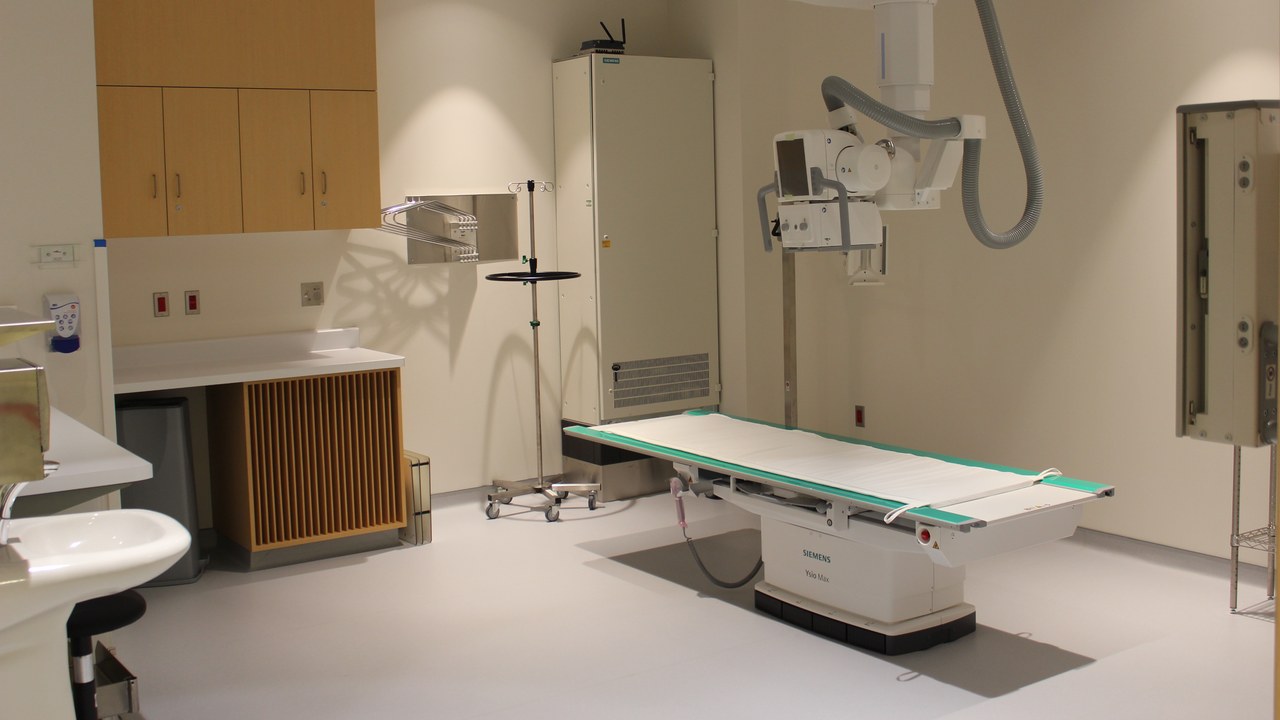
A Yuma, Arizona doctor was sentenced on Oct. 2 to 7.5 years in prison and ordered to repay $36,542,901.45 to Arizona’s Medicaid program, about $36.5 million. The case centers on clinics that billed for far more medical work than any patient could have received. One patient’s account alone was billed for more than 1,700 X-rays in six months.
Six months that changed the billing
Irfan Fazil, M.D., ran three businesses that billed the Arizona Health Care Cost Containment System, known as AHCCCS: Bio Family Clinic, Inc., Yuma Mobile X-Ray and Yuma Kidney & Dialysis, the Arizona Attorney General’s office said. From July 1 through Dec. 31, 2025, the three collected $36.5 million from the program. In the two and a half years before that, they had collected $4.7 million. The attorney general’s office puts the jump in paid claims at 671 percent.
Investigators focused on the 27 patients with the highest billing volumes, KJZZ reported. The most extreme account belonged to one patient who was billed for more than 1,700 X-rays in six months. Attorney General Kris Mayes called that number physically impossible, and said it would have meant serious harm from radiation if the scans had really been taken.
Fazil practiced at Bio Family Clinic for more than 15 years, specializing in internal medicine and nephrology, according to Radiology Business. The billing was not limited to X-rays. Authorities said the three businesses also billed for ECGs, CT scans, ultrasounds and other treatments that could not have been delivered in that window.
Anyone on Medicaid or Medicare has a record somewhere, whether a statement, a notice or an online account, that lists the care billed in their name. Care that never happened can show up there first, and people who go through that record against their own appointments are the ones best placed to spot a charge nobody can explain.
The number that will move is how much of the $36,542,901.45 Arizona’s Medicaid program actually gets back, and no recovery schedule has been announced.
Get each new number in one short weekday email →
What Fazil agreed to
Fazil pleaded guilty and was convicted in September, Radiology Business reported. A state grand jury had indicted him on six felony counts in June. He was convicted on four: fraudulent schemes and artifices, illegal control of an enterprise, theft, and illegal procurement of a dangerous drug.
The sentence was handed down in Yuma County Superior Court. It came to 7.5 years in the Arizona Department of Corrections, followed by seven years of probation. He must surrender his medical license and his DEA registration, the federal permit doctors need to prescribe controlled drugs. The plea also requires him to forfeit all of his assets. The attorney general’s office and KJZZ list real estate, medical facilities, vehicles, multiple aircraft, jewelry, luxury handbags, gold bars and cryptocurrency among what prosecutors tied to the proceeds.
“Dr. Fazil abused his position as a physician to steal more than $36 million from a taxpayer funded program,” Mayes said. She also said he treated AHCCCS as his personal bank account.
Why a bill for care can be false
Medicaid pays providers on the strength of the claims they submit. The claim is what tells the program a service happened, so a clinic that bills for tests nobody received can be paid until something in the pattern stands out. Here the pattern was loud: payments to one clinic network grew several times over in half a year, and one patient’s account carried an X-ray count that no appointment schedule could hold.
The harm in a case like this is not only financial. A record that lists scans a patient never had is wrong medical history, and it sits in a file under that person’s name. A patient who sees services on a statement that never took place can ask the provider to correct the entry and can report it to the program that paid the bill.
How Arizona takes reports
AHCCCS runs its own fraud line, and its reporting page says callers may remain anonymous. Provider fraud can be reported at 602-417-4045 in Arizona, or toll-free at 888-487-6686 from outside the state. Member fraud has a separate line, 602-417-4193. There is also an online form for reporting suspected fraud or abuse of the program.
The page gives examples of what counts. For providers it lists “Billing for Services and Supplies Not Provided,” along with medically unnecessary services, double billing, prescription and pharmacy fraud, and paying or receiving kickbacks. That first item is the one this case turned on.
Matching a statement to the appointments
The habit that catches false billing is simple, and Medicare spells it out on its fraud reporting page. Match the dates and services on a personal calendar against the statements that arrive, and confirm that each listed service and its details are correct. If a charge looks wrong, call the provider’s office first. People on Original Medicare can also set up a Medicare.gov account to see claims once they are processed, which lets errors surface sooner than a mailed statement.
Anyone who suspects fraud in Medicare can call 1-800-MEDICARE (1-800-633-4227). In Arizona, Medicaid concerns go to the AHCCCS lines above. Before calling, it helps to have the provider’s name, the date of the visit or test, the amount billed and what the record says was done.
Medicare’s page also says to share a Medicare card or Social Security number only with a doctor or someone who should have it, and never to accept money or gifts in exchange for free medical care. In a case like this one, the routine question for families is whether the care on the record matches the care that was received.
More Financial Reading
- 24 Ways to Stretch a $2,087 Social Security Check
- 17 Places to Find Your Share of the $4.25 Billion States Give Back
- 22 Ways Retirees Can Raise $1,000 Fast Without a Job
This article was produced with AI assistance and edited for accuracy against the sources linked above.


