
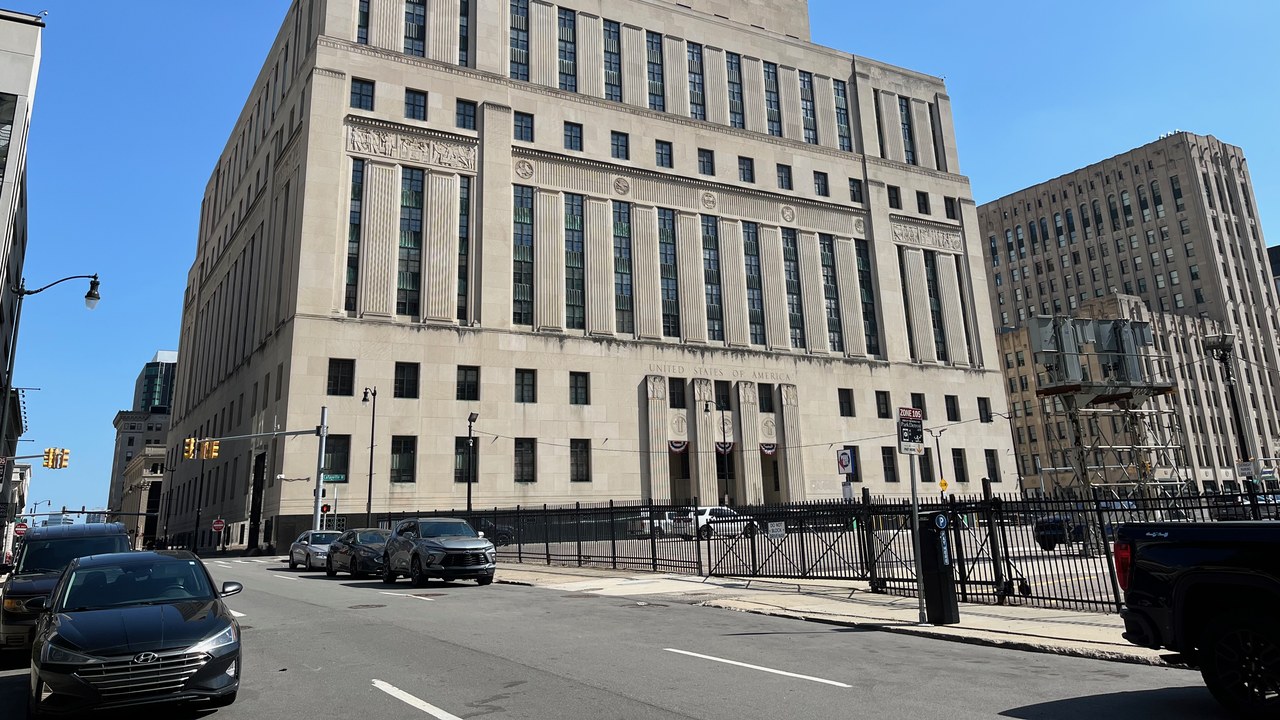
A $150,000 investment, a promised 72 percent yearly return and $4,798,153 after five years: that was Brian Mitchell’s pitch to a local church while he was barred from commodity futures trading. On October 7, a federal court sentenced the 44-year-old Ann Arbor man to 33 months in prison for wire fraud and ordered him to pay $2,749,210.60 in restitution.
Affiliate links — we may earn a commission.
A ban he did not mention
Mitchell pleaded guilty to wire fraud, the U.S. Attorney’s Office for the Eastern District of Michigan said in its announcement of the sentence. Before the fraud, he settled with the Commodity Futures Trading Commission over violations of the Commodity Exchange Act between January 2018 and January 2019. The settlement barred him for three years from trading commodity futures and from soliciting or accepting funds for it. He kept soliciting and trading investor money anyway, prosecutors say, and did not disclose the ban to the people handing it over.
What the church was told
The church put in $150,000. Mitchell promised a 72 percent annual return and said it would grow to $4,798,153 over five years. He also told investors their principal was protected against loss and called it “guaranteed,” according to the release. After trading losses, he falsely said the CFTC had seized “back-up money.”
Its Learn and Protect page says there is no such thing as a risk-free trade or investment. A person who offers a guaranteed principal and a 72 percent yearly return is making exactly the claim the agency says cannot be true.
Nothing in the release explains how Mitchell found his investors beyond saying he used the two names to solicit money. That leaves open the question households ask after a case like this one, which is how a pitchman gets from a stranger’s name to a phone call or a church meeting. Names, addresses and phone numbers are what data brokers and people-search sites list, and Incogni sends removal requests to data brokers and people-search sites and keeps re-sending them.
128 victims and a restitution order
The release says he used two entities, Young Pros Investment Group and My Nest Egg, to solicit the money. The sentence also includes two years of supervised release.
Prosecutors count at least 128 individuals and organizations as victims, with losses of more than $2.7 million from multiple outside investors. The restitution order of $2,749,210.60 is the court’s figure for what Mitchell owes them. It is an order to pay, and the release does not say how much has been or will be recovered.
U.S. Attorney Jerome F. Gorgon, Jr. said, “He is shameless.” Jennifer Runyan, the FBI’s special agent in charge, said, “Those who make a business out of stealing from investors should expect the FBI to make a case out of them.” Assistant U.S. Attorney Andrew J. Yahkind prosecuted, and the FBI investigated through its Ann Arbor Resident Agency.
Checking a trader’s record before handing over a deposit
The CFTC page points investors to a registration lookup at cftc.gov/check and to its RED List of unregistered entities, and says to trade with entities registered with the CFTC or other federal or state regulators.
A written pitch that uses the words “guaranteed” and “protected” for the principal belongs in front of a second pair of eyes, such as a church finance committee, a lawyer or a relative, before any wire goes out. The CFTC says to stop and talk to someone trusted when a pitch feels rushed. Fraud can be reported to the CFTC at cftc.gov/complaint and to the FBI at ic3.gov, and the FTC takes reports at ReportFraud.ftc.gov.
The same page lists other warning signs: the person or firm is not registered with the CFTC, the website does not disclose a physical headquarters address or customer service number, or solicitations contain grammatical and spelling errors. A church treasurer weighing a $150,000 deposit has more at stake than a casual investor, and the agency’s advice for anyone in that seat is the same: confirm registration first.
Records that matter if money is already gone: the date and amount of each deposit, the account statements the trader sent, every message about returns or guarantees, and the names of the entities that received the funds. In this case those were Young Pros Investment Group and My Nest Egg.
Who gets the call about a 72 percent return
A trader under a federal ban took $150,000 from one church and money from at least 128 victims, and the release leaves out how he found them. Incogni asks data brokers and people-search sites to remove personal information, sends the removal requests on a person’s behalf and keeps re-sending them, so less of a household’s contact information sits on broker lists, and fewer broker listings can mean fewer scam calls, texts and emails.
Let Incogni send removal requests to the brokers listing your details →
This article was produced with AI assistance and edited for accuracy against the sources linked above.


