
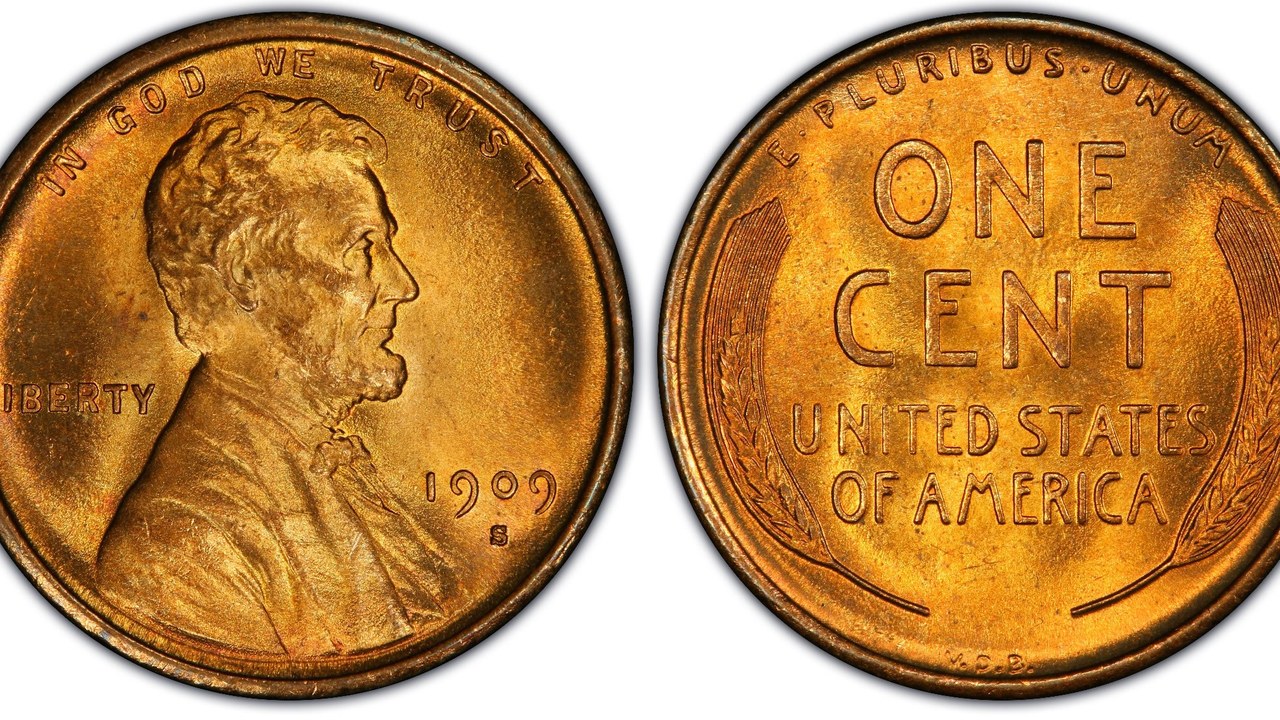
Cash totals at the register could be rounded to the nearest nickel under a bill Congress has passed. The measure is the Common Cents Act, H.R. 10167, which ends production of the penny for general circulation and lets sellers round cash totals to a multiple of five cents. The House passed it by voice vote on Sept. 14, and the Senate passed it without amendment by unanimous consent on Sept. 28, according to the official bill-status record.
How the rounding works
The bill’s text says a seller “may, if exact change cannot be provided at that time of such transaction, round the covered amount.” The covered amount is “the total transaction amount, including taxes.” A total that ends in 1 or 2 cents rounds down, and one that ends in 3 or 4 cents rounds up. The same split repeats in the second half of each ten cents: totals ending in 6 or 7 cents round down, and 8 or 9 cents round up. A $4.42 total would become $4.40, and a $4.43 total would become $4.45. Totals ending in 0 or 5 cents need no rounding.
There is a special case at the bottom. If a total is only $0.01 or $0.02, the seller may round it up to $0.05.
The question for a shopper is whether the change shows up at the register. It would only for cash payments, and only when the store cannot make exact change. The bill, sponsored by Rep. Lisa McClain, a Michigan Republican, frames the rounding as a permission for sellers, not a requirement.
The next move belongs to the president, since the bill record shows no signing yet, and the Federal Reserve’s penny report is due 90 days after the bill is enacted.
Get the next update the morning it lands →
What stays the same
The rounding rule does not apply to any transaction paid by “any demand or negotiable instrument, electronic fund transfer, check, gift card, money order, credit card, or other like instrument or method.” A debit or credit card swipe, a check or a gift card is charged to the exact cent. Prices on shelves and menus are not addressed in the bill, and the text says “nothing in this Act may be construed to require any person to round a payment.”
Pennies themselves do not disappear. The bill says pre-enactment one-cent coins “shall remain legal tender for all debts, public charges, taxes, and dues.” Treasury would stop producing them for general circulation but could still make them “for sale as numismatic items.” The Congressional Research Service summary says the nickel could also be made from a copper-nickel alloy or from a zinc core clad in nickel.
The bill also reaches paychecks. If an employer chooses to round a cash wage payment, the text says the rounding must be up.
Where the bill stands
A bill that has passed both chambers is not law until the president signs it. The bill record’s latest action is the Sept. 28 Senate vote, after the Senate Banking Committee was discharged by unanimous consent, and it lists no presentment or signature. The White House’s briefings and statements page shows the Oct. 7 signing of two other bills, H.R. 5345 and S. 766, and nothing on the penny bill.
The text sets no general effective date. Its deadlines run from enactment: the Federal Reserve must report on a strategic plan for accepting penny orders and deposits at commercial coin terminals within 90 days, and the Treasury secretary must give notice at least 60 days before discontinuing any circulating coin. Until then, nothing at the checkout changes.
Paying cash once a store rounds
The free way to follow the bill is its record on GovInfo, where a signing would appear as the next action. The full text is on the same site. Nothing in it sets a start date, so the first sign of change at a register would come from a store, not from a government notice.
Shoppers who pay cash can look at the final line of a receipt, since the rounding applies to the total including tax, not to each item. A cash purchase of several items rounds once. Paying by card avoids rounding altogether under the text, which exempts credit cards, electronic transfers, checks, gift cards and money orders.
The detail worth remembering is the condition. A store can round only when exact change cannot be provided, so a shop with plenty of pennies on hand has no basis in the bill to round.
More Financial Reading
- 24 Ways to Stretch a $2,087 Social Security Check
- 17 Places to Find Your Share of the $4.25 Billion States Give Back
- 17 Ways Retirees Are Tapping a Record $14.9 Trillion in Home Equity
This article was produced with AI assistance and edited for accuracy against the sources linked above.


