
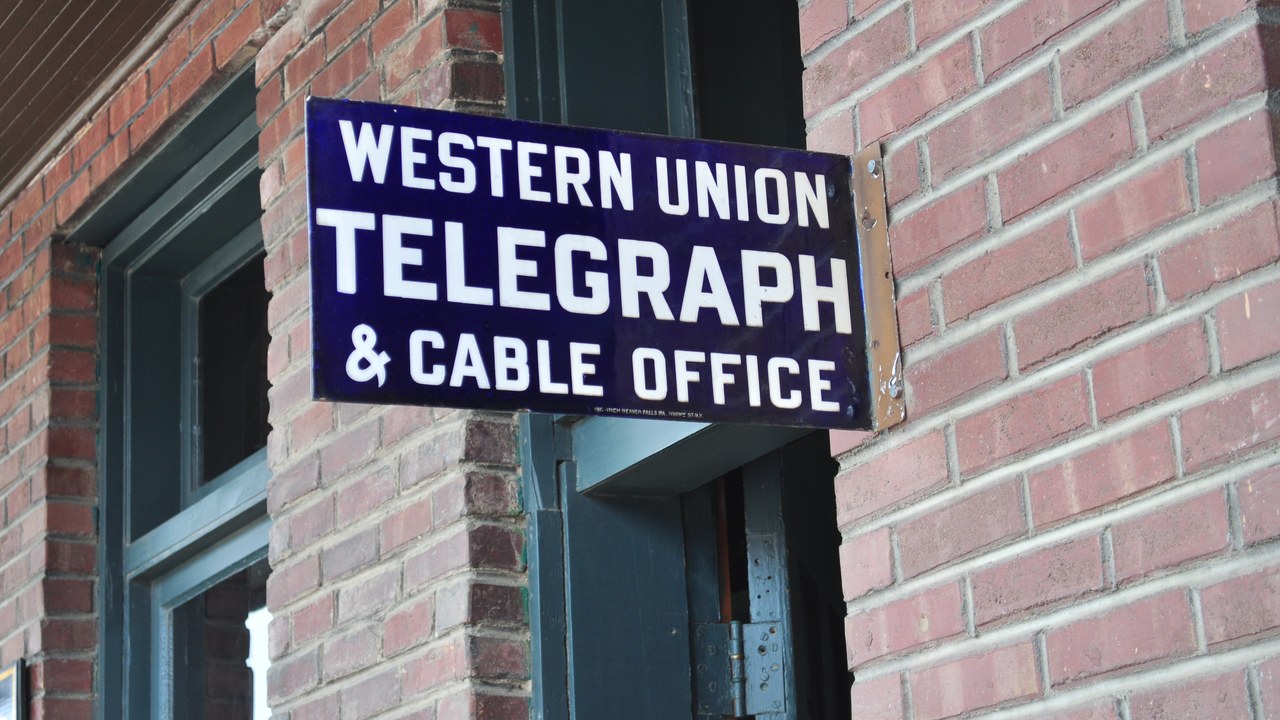
The Justice Department has opened the third and final round of its Western Union fraud compensation program, and anyone who wired money to a scammer through the company between January 1, 2004 and March 9, 2020 has until December 31, 2026 to ask for money back. The petition window reopens even for people who never filed in the earlier phases, according to the Justice Department’s October 7 announcement.
How the money got here
The fund traces back to 2017, when Western Union entered a deferred prosecution agreement with federal prosecutors and agreed to forfeit $586 million. The Justice Department says the first two phases of the remission process previously paid out over $436.9 million to more than 180,000 victims. This third phase adds $3.4 million in remission to 1,294 victims, per the same release.
“The Department is pleased to announce the third and final phase of the Western Union remission process,” said A. Tysen Duva, Assistant Attorney General of the Justice Department’s Criminal Division. Christopher Nielsen, the U.S. Postal Inspection Service’s Inspector in Charge in Philadelphia, added that the agencies are “proud of our efforts recovering over $400 million for victims of this fraud.”
Who can file a petition
Eligibility turns on one fact: a wire transfer sent through Western Union during the covered window that was part of a fraud. The remission administrator’s site says the window now runs from January 1, 2004 through March 9, 2020. The earlier process covered only transfers through January 19, 2017, so someone whose transfer went out after that date was shut out before and can file now. The administrator lists three common schemes: the grandparent scam, where a caller poses as a relative who needs money immediately; the lottery or sweepstakes scam, where a supposed prize requires up-front fees or taxes; and the romance scam, where an online love interest asks for funds.
The people affected, then, are anyone who sent a Western Union transfer to a scammer in those sixteen years and has not yet been paid for it, and what they have to settle before December 31 is whether they can document the transfers and which of them belong in a petition.
Sixteen years of Western Union transfers can go into one petition, and every one of them has to be listed before December 31. The Settlement & Refund Recovery System walks the filing step by step and keeps a claim log so every transfer and date is written down before December 31.
Get the Western Union petition walkthrough with the Recovery System →
People who already filed in phase one or two
Earlier petitioners do not have to start over unless something new is on the table. The administrator’s site says that anyone who filed in the first or second phase and received a May 21, 2026 letter granting verified transactions in the extended period must submit a new Petition for Remission form only if there are additional transfers to report. Without extra transfers, the earlier petition stands.
The administrator is Verita Global LLC, formerly known as Gilardi & Co. LLC, according to the Justice Department. Petitions can be filed online through the administrator’s site or mailed to United States v. The Western Union Company Phase 3, PO Box 301132, Los Angeles, CA 90030-1132. The Justice Department’s remission information line is 1-833-419-4677.
The December 31 cutoff
The administrator’s page now says the deadline was extended to December 31, 2026, replacing an August 19, 2026 date that still appears in the body of the page. Mailed petitions postmarked after December 31 are left to the Justice Department’s discretion, so a late envelope is not a sure thing. The Justice Department release itself says only “Dec. 31,” and the administrator’s site supplies the year.
The petition asks for any available supporting documentation. Receipts from the Western Union counter or app, bank statements showing the withdrawal, and the money transfer control number are the sort of records that tie a transfer to a date and an amount, though the administrator’s page only says to send what is available.
Filing the petition before December 31
The free route is the Western Union Phase 3 remission site, where the Petition for Remission form is posted under Case Documents and the online filing link lives. Filing costs nothing. The Justice Department says neither the Remission Administrator nor the department will ask for any payment to take part.
That matters because fraud follows compensation programs. The release warns people to be cautious of anyone claiming to represent the administrator or the federal government in this matter, and says victims should expect contact only from the Remission Administrator or from government representatives they have already spoken with. The release points to an FBI public service announcement on government impersonation and an FTC guide on avoiding impostor scams. A caller who asks for a fee to “release” a Western Union payment is not part of this process.
Before sitting down to file, it helps to gather the dates of each transfer, the amounts, the names or locations of the receivers if they are known, and any scammer messages that still exist. A short list written first makes the online form quicker and shows at a glance which transfers belong in a new petition.
Sixteen years of transfers, one December 31 petition deadline
A petition built from memory can leave out transfers that would have counted, and a missed date means the window closes on a claim that was never filed. The Settlement & Refund Recovery System lays out a step-by-step filing walkthrough and a claim log and payment tracker, so each transfer, filing date and expected payment is recorded in one place. It is a 50-page system with the tracker built in.
Set up a claim log for the Western Union petition with the Recovery System →
This article was produced with AI assistance and edited for accuracy against the sources linked above.


