
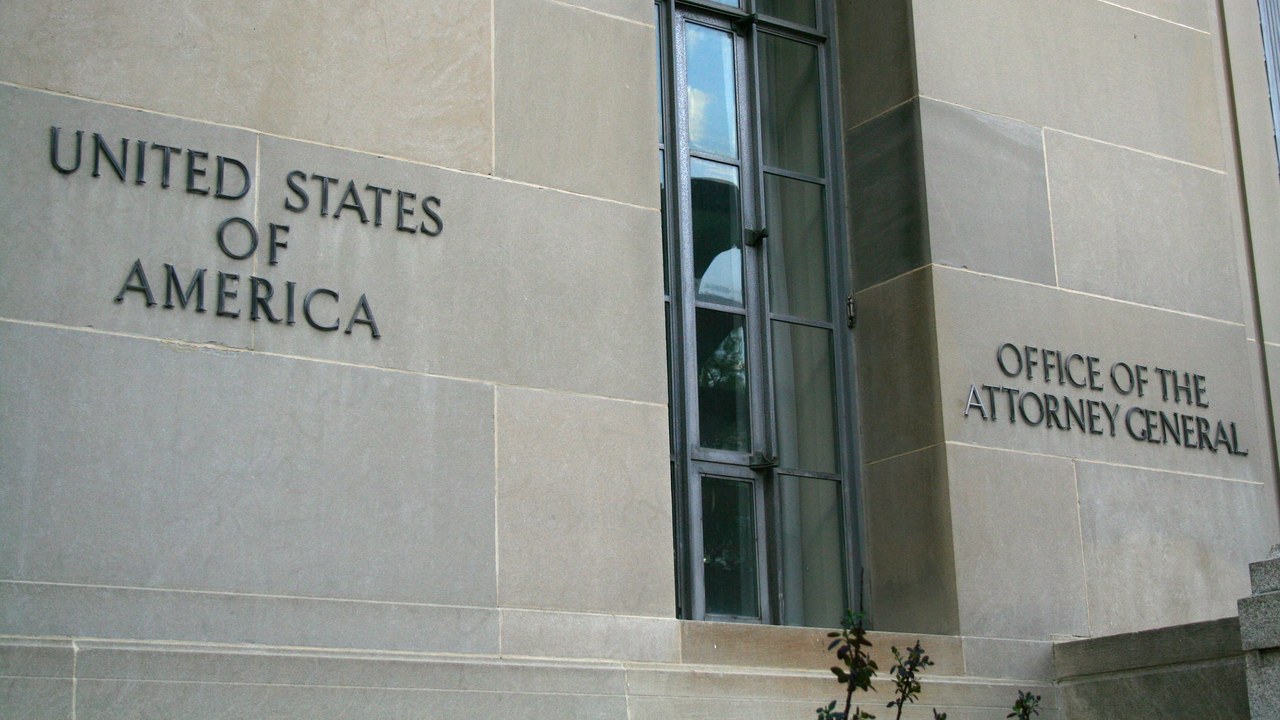
Agents who searched a Virginia home in May say they found 298 gold bars. On Oct. 6, the man who lived there, David J. Rush, 49, of Ashburn, pleaded guilty in federal court in the Eastern District of Virginia to executing a scheme to defraud the federal government, the Justice Department announced.
Prosecutors say Rush created fictitious government authorities, including a fabricated Special Access Program, to get his hands on U.S. government funds. The department puts the total at approximately $193,590,400, or about $194 million. He has not been sentenced. Sentencing is set for Jan. 28, 2027, and the maximum prison term is 20 years, a ceiling, not a prediction. The judge decides the actual sentence.
The money in this case is taxpayer money, and the question that follows a plea like this one is where it goes next. In a case with a single victim that is the federal government, the answer comes down to three legal terms that sound alike: forfeiture, restitution and remission. Each does a different job, and only one of them reaches individual victims.
What the Justice Department says Rush did
According to the announcement, Rush used invented authorities to move government money to himself. The Justice Department says the gold bars cost the government approximately $46 million. It also says he directed approximately $145 million in wire transfers that he used to buy luxury real estate, watches and at least one car.
The FBI recovered the 298 gold bars during a May 19 search. The department lists the FBI, the CIA and the Justice Department as the agencies that investigated. News coverage at the time of the arrest described Rush as a former senior CIA official, and an FBI affidavit cited in that coverage said part of the haul was found in a storage space near his office, FFXnow reported.
Fraud cases like this one keep surfacing, and The Retirement Money Brief explains one change each weekday, who it affects and what to do.
Get the free weekday brief → Free from RetireShield. Unsubscribe anytime.
What Rush agreed to give up
Forfeiture is the government taking property tied to a crime. The Justice Department says Rush agreed to forfeit the gold bars and currency found at his home, the fraudulently obtained properties, 30 watches, many of them Rolexes, and two 2026 BMW Alpina vehicles.
The announcement lists the penalties he faces: up to 20 years in prison and three years of supervised release, plus forfeiture, restitution and fines. Restitution is a payment ordered by the judge to make a victim whole, and here the victim is the government. A judge sets the final terms at sentencing. The announcement describes the federal government as the victim, and it does not describe any claims process for individuals in this case.
Why a plea is not the last step
A guilty plea resolves the question of guilt. It does not set the sentence, the restitution figure or the order in which assets are sold. Those come later in the case, which carries the number 1:26-cr-00185 in the Eastern District of Virginia, according to the Justice Department.
Attorney General Todd Blanche said in the announcement, “Federal employees are entrusted with serving the American people, not themselves.” The announcement also names First Assistant U.S. Attorney Theophani K. Stamos of the Eastern District of Virginia.
Forfeiture versus restitution
The difference is easy to blur. Forfeiture takes the property from the defendant. Restitution orders the defendant to repay the victim. Gold bars, watches and cars would have to be sold before they turn into cash.
Real estate adds steps of its own. The department says Rush agreed to forfeit the fraudulently obtained properties, and the announcement does not say how or when they will be sold.
How forfeited money reaches victims
When the victims are private individuals, the Justice Department uses a process called remission. Its victim compensation FAQ says remission “is the process by which the Department compensates victims of crimes using assets forfeited from the perpetrators.” Victims must show a specific, measurable financial loss that resulted directly from the crime, have not been repaid, did not knowingly take part in the offense and have no other reasonable way to recover, and there is no fee to file a petition.
Anyone contacted by a stranger claiming to hold a payout from a federal case should treat a request for a fee as a red flag, since the Justice Department says there is no fee for a remission petition. The case itself will be recorded in the docket for the Eastern District of Virginia, where the plea and the later sentencing appear.
The Justice Department says Rush is scheduled to be sentenced on Jan. 28, 2027, and that he has agreed to forfeit the properties, gold bars, watches and vehicles tied to the scheme.
More Financial Reading
- How many CDs can you park at 1 bank? FDIC rules you must know
- Adding someone to your bank account: tax traps and smart moves
- The ideal retirement withdrawal rate so your savings actually last
This article was produced with AI assistance and edited for accuracy against the Justice Department pages linked above.


